Relax Your Mind: Fast Relief for Stress & Anxiety
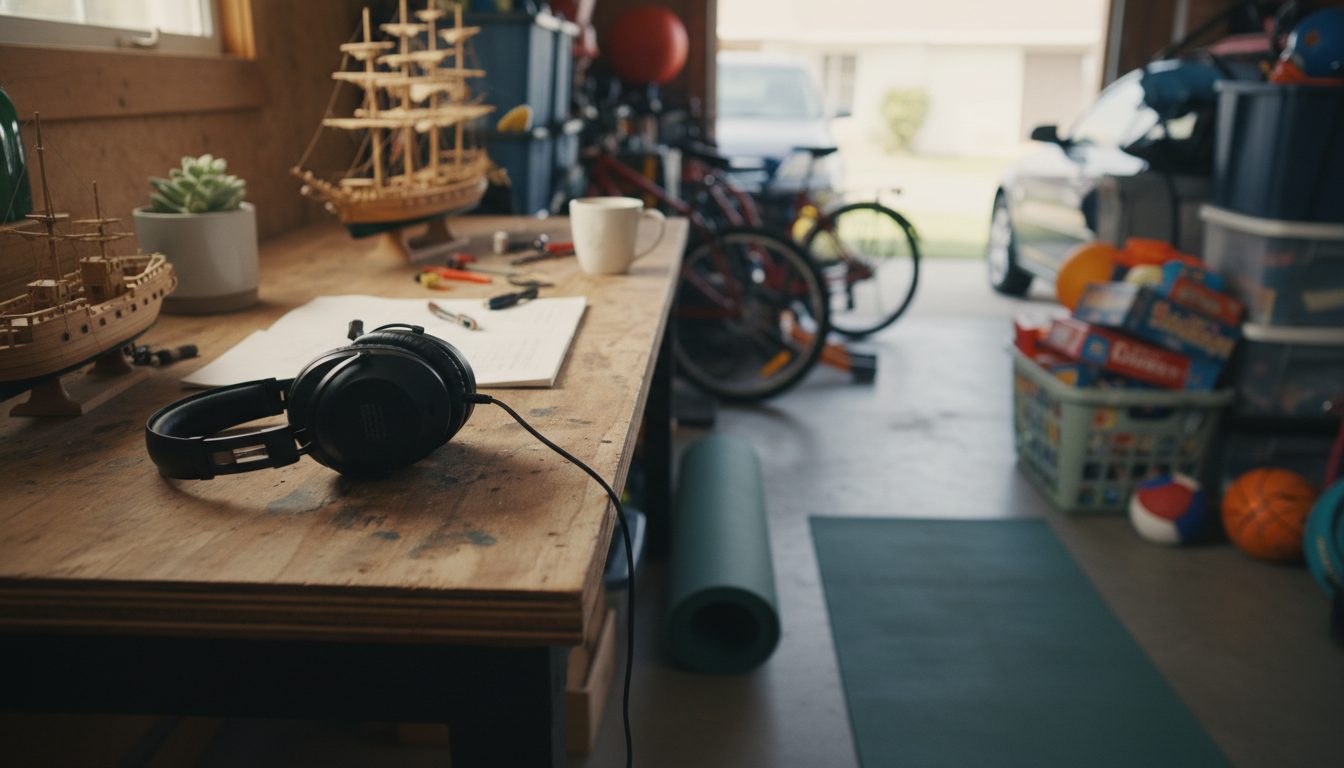
How to relax mind from stress and anxiety
When stress and anxiety spike, the mind often gets stuck in fast, repetitive loops—planning, worrying, replaying. Relaxing it usually works best with a short sequence that calms your body first, then clears mental clutter, and finally resets your attention on something steady and present.
Start with a 60-second breathing reset
Try “extended exhale” breathing: inhale through your nose for 4 seconds, then exhale slowly for 6–8 seconds. Repeat for 6–10 rounds. A longer exhale nudges your nervous system toward a calmer state, which makes anxious thoughts feel less urgent.
Release physical tension to quiet mental noise
Stress often hides in your jaw, shoulders, and hands. Do a quick scan: unclench your teeth, drop your shoulders, and open your hands. Then tense each area for 5 seconds and release for 10 seconds (jaw, shoulders, fists). The contrast helps your brain register “safe” signals from your body.
Use a “brain dump” to stop the mental replay
Set a timer for 3 minutes and write everything that’s swirling in your head—no organizing, no fixing. When the timer ends, circle only what you can act on today. Pick one tiny next step (send a message, schedule a task, put a reminder). This reduces the sense of overwhelm without demanding perfection.
Anchor attention with a simple grounding routine
Use the 5-4-3-2-1 method: name 5 things you see, 4 you feel, 3 you hear, 2 you smell, and 1 you taste. Grounding pulls attention away from “what if” thoughts and back into the present moment.
Build a calming wind-down for later
If anxiety rises at night, dim lights an hour before bed, keep your phone across the room, and do a brief stretch or warm shower. Consistency teaches your mind to associate specific cues with rest.
For more step-by-step techniques and additional options you can rotate through, visit How to Relax Mind From Stress and Anxiety.
FAQ
What are quick ways to calm anxiety at night?
Try extended-exhale breathing for 2–3 minutes, then do a short body scan to relax your jaw and shoulders. If thoughts keep looping, write them down and choose one small action for tomorrow so your mind can let go for the night.
















Leave a comment