Calm Fast: Breathing, Mindfulness & Yoga for Anxiety
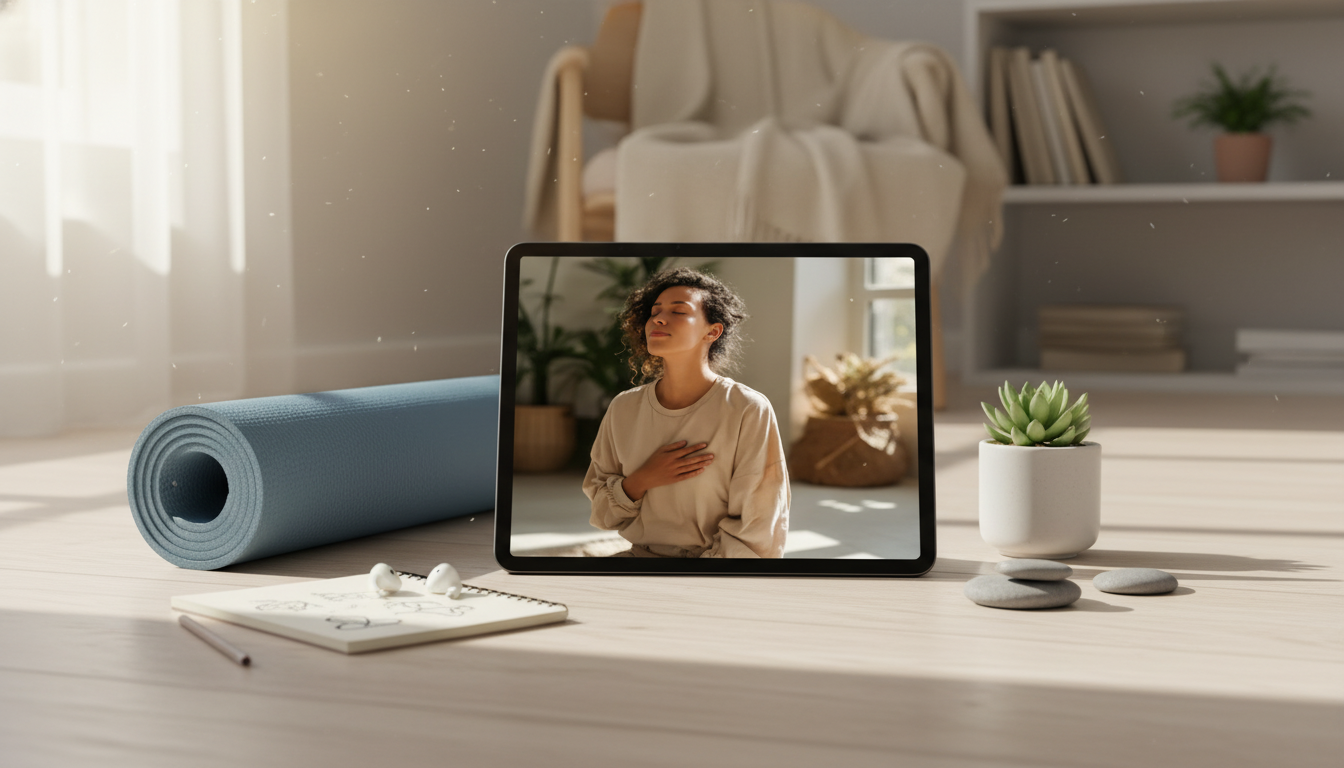
Ultimate Relaxation Methods for Stress and Anxiety: A Practical Digital Guide to Calm
Stress and anxiety can show up as racing thoughts, muscle tension, shallow breathing, poor sleep, and irritability. The most effective relief usually comes from combining quick nervous-system “downshifts” (minutes) with daily practices that lower baseline stress (weeks). Below are proven relaxation methods—mindfulness, meditation, breathing, gentle yoga, and supportive AI tools—organized into simple routines that fit real schedules. For a quick overview of how stress affects the body and why recovery habits matter, the American Psychological Association offers a clear summary.
Start With a Fast Reset: 2–5 Minute Calm-Down Methods
When stress surges, the goal isn’t to “win” against anxiety—it’s to reduce arousal enough that your thinking brain can come back online.
- Physiological sigh: Inhale through the nose, top off with a second short inhale, then do a long exhale. Repeat 3–5 cycles to quickly downshift.
- Extended exhale breathing: Breathe in gently for 4, exhale for 6–8. Keep shoulders relaxed and jaw unclenched.
- 5-4-3-2-1 grounding: Name 5 things you see, 4 you feel, 3 you hear, 2 you smell, 1 you taste. This anchors attention away from spiraling thoughts.
- Progressive muscle release (mini version): Tense then relax hands, shoulders, and jaw. Notice the contrast; it cues the body to soften.
- Cold splash or cool compress (if tolerated): A brief cool stimulus can interrupt panic momentum and pull attention into the body.
Breathing That Settles the Nervous System (Without Overthinking It)
Breathwork works best with a comfort-first rule: slow the breath without forcing it. If you feel dizzy or tingly, return to normal breathing and try a shorter round later.
- Diaphragmatic breathing: Expand the lower ribs and belly on inhale; keep chest and neck relaxed to avoid “stress breathing.”
- Box breathing (steadying): Inhale 4, hold 4, exhale 4, hold 4. Adjust to 3 counts if 4 feels too intense.
- Coherent breathing: Aim for about 5–6 breaths per minute (roughly 5 seconds in, 5 seconds out) for an even rhythm.
- Pair breath with a cue word: Silently repeat “soften” on the exhale to reinforce letting go.
Quick Breathing Options by Goal and Timing
| Method | When to use | How long | Best for |
|---|---|---|---|
| Physiological sigh | When stress spikes suddenly | 30–90 seconds | Rapid downshift, tight chest, overwhelm |
| Extended exhale (4 in / 6–8 out) | Anytime, especially before sleep | 2–5 minutes | Reducing agitation, easing into calm |
| Box breathing (4-4-4-4) | Before meetings, performance moments | 2–4 minutes | Steady focus, emotional regulation |
| Coherent breathing (5 in / 5 out) | Daily baseline practice | 5–10 minutes | Lowering overall stress, building resilience |
Mindfulness: Training Attention Without Fighting Thoughts
Mindfulness isn’t about blanking your mind; it’s about learning to notice what’s happening and return to an anchor—again and again—without turning each distraction into a personal failure. The National Center for Complementary and Integrative Health (NCCIH) reviews mindfulness and meditation effectiveness and safety considerations.
- Anchor choices: Breath, sounds, body sensations, or a simple phrase. Switching anchors is allowed when the mind feels stuck.
- Noticing is the skill: Each return to the anchor is a completed “rep.” The wandering isn’t the problem; the return is the practice.
- Micro-mindfulness: Take 3 mindful breaths before opening email, entering the car, or responding to a difficult message.
- R.A.I.N. check-in: Recognize what’s present, Allow it, Investigate sensations kindly, Nurture with supportive self-talk.
- Mindful walking: Feel heel-to-toe contact and the rhythm of steps—especially helpful when sitting still increases restlessness.
Meditation Styles for Stress and Anxiety (Pick One and Repeat)
For anxious minds, “simple and repeatable” beats “perfect.” Choose one style and practice it most days so your brain learns the route back to calm.
Gentle Yoga and Somatic Practices That Unwind Tension
AI Stress Relief Tools: Helpful Support, Clear Boundaries
Build a Simple Weekly Routine (So Calm Becomes More Automatic)
Digital Download Guides to Make Practice Easier
- Ultimate Relaxation Methods for Stress and Anxiety eBook | Digital Download Guide for Mindfulness, Meditation, Breathing, Yoga & AI Stress Relief (a structured collection of quick resets and long-term practices).
- Mindful Moments: How Mindfulness Eases Stress and Boosts Your Daily Calm | Digital Guide for Stress Relief, Daily Calm, and Mindful Living (simple mindfulness routines and “micro-moment” practices for busy days).
- Breathe, Mama, Breathe: Finding Calm in the Kid-Chaos | Parent Pause: Quick Relax in Chaos Handbook | Digital Download Guide for Moms (quick, parent-friendly calming methods for noisy, demanding moments).
When to Get Extra Help
Relaxation methods are powerful skills, and they work even better alongside professional support when symptoms are intense or persistent. Seek help if anxiety interferes with work, relationships, or sleep for weeks at a time. Urgent support is needed for panic that feels unmanageable, thoughts of self-harm, or inability to function safely. Evidence-based options often include CBT, ACT, mindfulness-based therapies, and trauma-informed care when relevant. For an overview of anxiety disorders and treatment pathways, see the National Institute of Mental Health.
FAQ
Which relaxation method works fastest during a sudden anxiety spike?
Try 30–90 seconds of a physiological sigh or 2–3 minutes of extended-exhale breathing, then add 5-4-3-2-1 grounding to re-anchor your attention. Keep it gentle, and stop if you feel dizzy.
Is mindfulness safe if meditation makes anxiety feel worse?
It can be, but some people feel more activated when turning inward. Use eyes-open practice, shorter sessions, external anchors (like sounds), or movement-based mindfulness, and seek professional guidance if symptoms intensify.
How often should breathing or meditation be practiced to notice results?
Acute calm can happen within minutes, but baseline stress usually shifts over weeks with consistency. Aim for 5–10 minutes most days plus 2-minute resets whenever stress spikes.













Leave a comment