5-Step Folding Dog Car Stairs: Weight & Sizing Guide
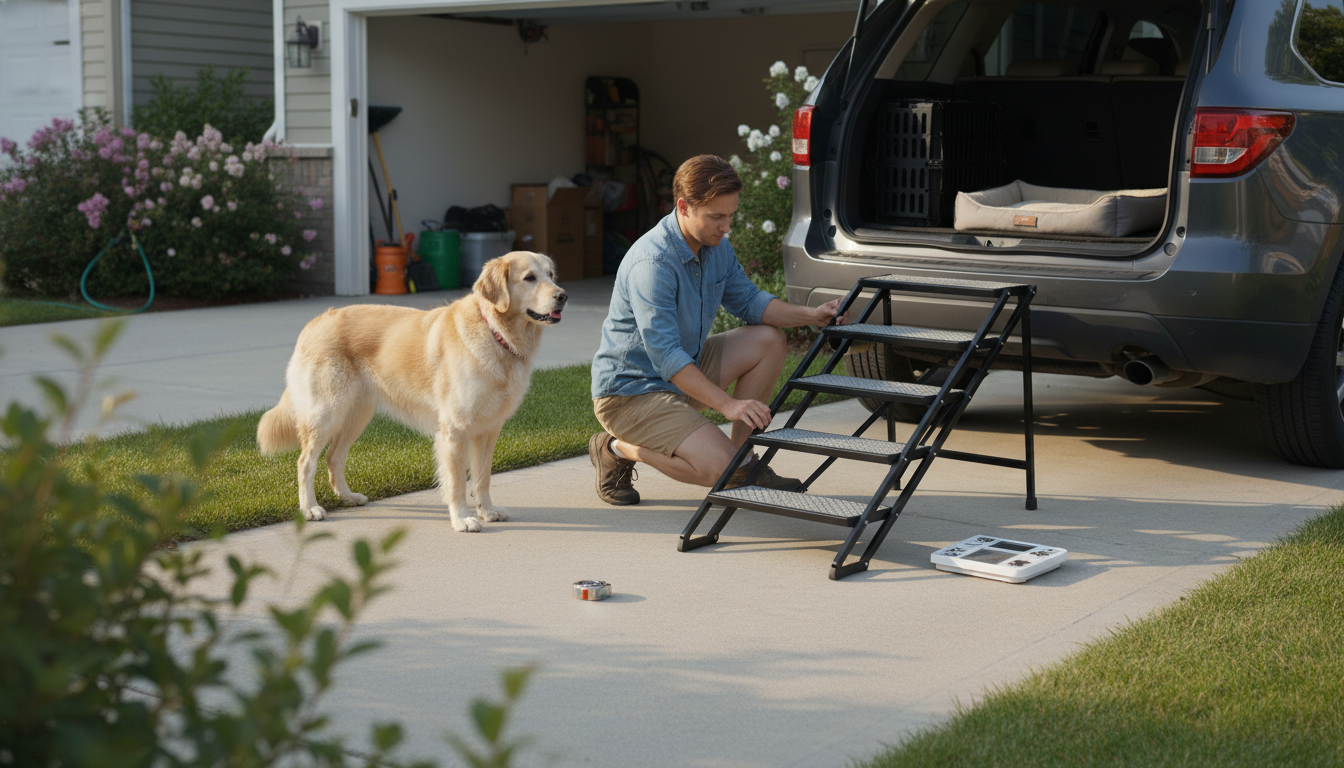
How much weight can 5-step folding dog stairs for cars typically support, and how do I choose for my dog’s size?
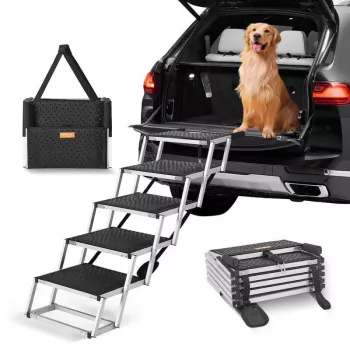
Most 5-step folding dog stairs designed for car access typically support somewhere in the 150–200 lb range, with some heavy-duty models rated higher. The exact number varies by frame material, hinge design, tread construction, and whether the stairs are meant for occasional travel or frequent daily use. Always rely on the manufacturer’s stated weight rating (not estimates) and treat it as a safety limit, not a goal.
How to choose the right 5-step folding dog stairs for your dog’s size
1) Start with weight capacity, then add a safety margin
Select stairs rated comfortably above your dog’s weight. A practical rule is to choose a capacity at least 20–30% higher than your dog’s body weight, especially if your dog tends to hop, pull, or pause mid-step. Bigger dogs also put more stress on hinges and step joints during loading.
2) Match step depth and width to your dog’s build
Larger dogs generally do better with wider steps and deeper treads so all four paws can land securely. Small dogs may be fine with narrower steps, but still benefit from a stable, non-slip surface. Look for rubberized or textured treads to reduce slipping, particularly in rain or when the car bumper is dusty.
3) Check height range and angle for your vehicle
A 5-step design can reduce steepness, but only if the stairs extend to the height of your cargo area, SUV seat, or truck bed. If the stairs are too short, the angle becomes steeper and harder on joints. If they’re too tall, the top step can feel unstable against the vehicle.
4) Prioritize stability features for confident use
For hesitant dogs, stability matters as much as capacity. Anti-slip feet, locking hinges, a solid top landing, and minimal side-to-side wobble can make a noticeable difference in whether your dog uses the stairs willingly.
For a deeper breakdown of weight ratings, sizing tips, and what to look for in real-world use, visit the main guide here.
FAQ
Are folding dog stairs safe for senior dogs with joint issues?
They can be, as long as the stairs are stable, have high-traction treads, and create a gentle climbing angle to the vehicle. For seniors, prioritize wider steps, strong grip surfaces, and a weight rating well above your dog’s weight.















Leave a comment