Measure Your Cat or Small Dog for a Plaid Coat Fit
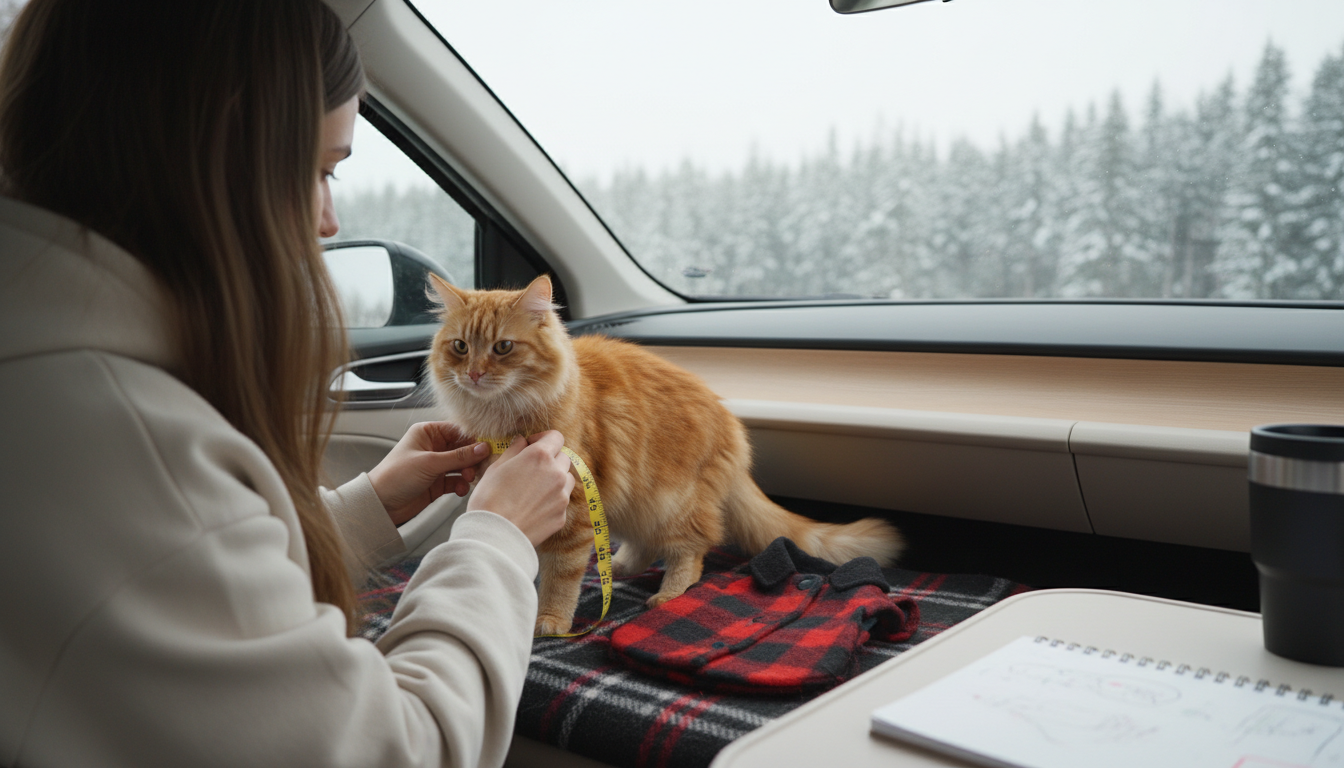
How do I measure my cat or small dog for a winter plaid dress coat size?
A great fit starts with three quick measurements taken while your pet is standing naturally (not sitting or stretched). Use a soft measuring tape and keep it snug but not tight—you should be able to slide one finger under the tape. If your pet is between sizes, size up so the coat can layer over a sweater and won’t restrict movement.
1) Measure the neck (collar area)
Wrap the tape around the base of the neck where a collar normally sits. This measurement matters for comfort and for making sure the coat doesn’t feel “choky” when your pet looks up or pulls slightly on a leash.
2) Measure the chest/girth (most important)
Find the widest part of the ribcage, usually just behind the front legs, and measure all the way around. Chest is the main “fit limiter” for most cats and small dogs, so choose a size that accommodates this number first.
3) Measure the back length
Measure from the base of the neck (where the neck meets the shoulders) to the base of the tail. For a winter plaid dress coat, the ideal length covers the back without pressing into the tail or riding up when your pet walks.
Helpful tips for accurate sizing
Measure twice and write the numbers down. If your pet has thick fur, don’t compress it; measure over the coat’s “real-life” bulk. For pets with broad chests or fluffier coats, prioritizing chest comfort prevents pinching and helps the coat sit straight. For the full walkthrough and sizing notes, see the complete measuring guide here.
FAQ
What if my pet’s measurements fall between two coat sizes?
Choose the larger size, especially if the chest measurement is close to the upper limit. A slightly roomier coat is easier to adjust and far more comfortable than one that’s tight across the ribs.














Leave a comment