Desktop UF Water Purifier: High-Efficiency, Fast Filtration
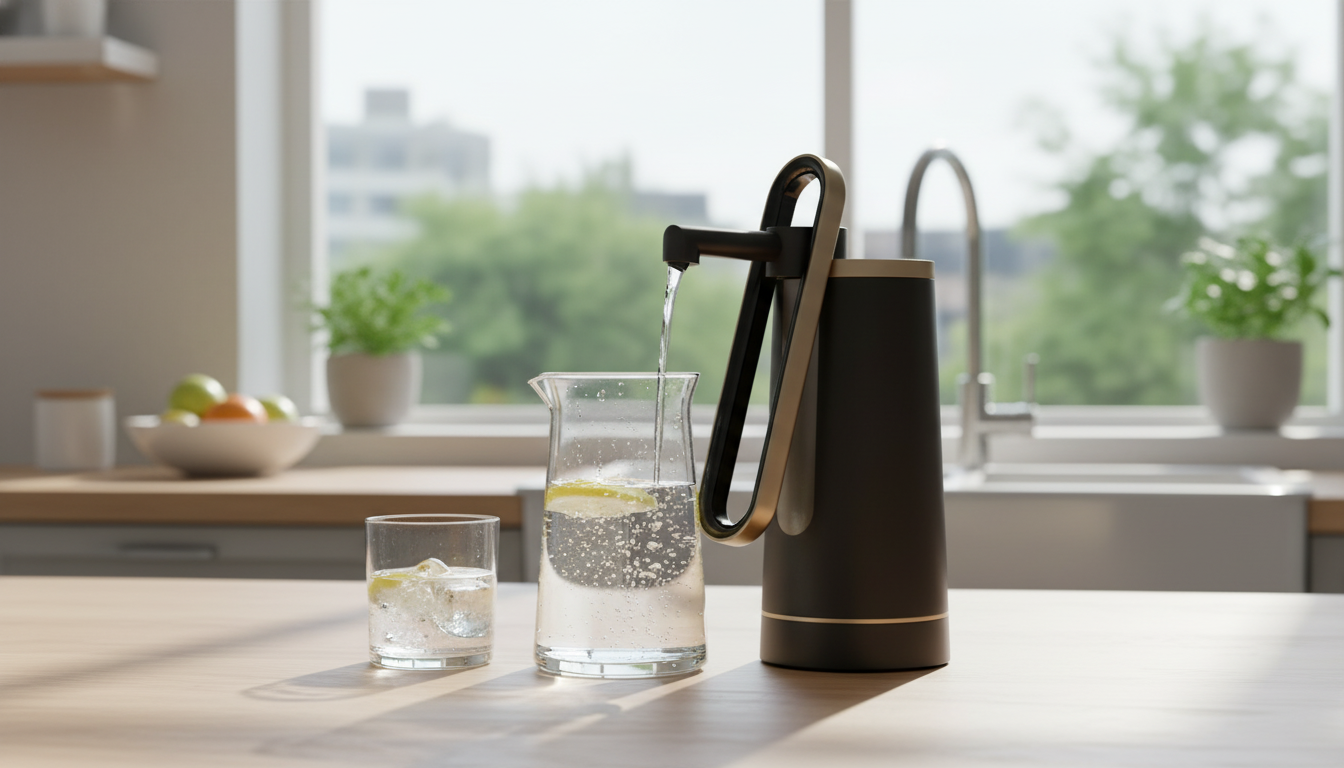
High-Efficiency Desktop UF Membrane Filter Water Purification System: Cleaner Water Without the Wait
A desktop ultrafiltration (UF) purifier is a practical way to improve taste, clarity, and everyday confidence in drinking and cooking water—without committing to bulky under-sink installs or permanent plumbing changes. UF membrane systems are built to screen out fine particles and many microorganisms while typically keeping the naturally occurring minerals that give water its familiar flavor. Below is a clear breakdown of how UF filtration works, what it can (and can’t) address, where it fits best, and what to prioritize when matching filtration performance to local water conditions.
What a Desktop UF Purifier Is Designed to Do
Desktop UF purifiers are point-of-use systems: they’re meant to treat the water you drink and cook with right where you need it—on a countertop, breakroom counter, or home-office credenza. Because they’re compact, they work well in spaces where drilling cabinets, modifying under-sink plumbing, or installing a dedicated faucet isn’t ideal.
- Provides point-of-use filtration for drinking and food prep at the countertop or desktop
- Uses a UF membrane to reduce fine particles and many microorganisms while typically preserving beneficial minerals
- Often pairs UF with pre-filtration stages (sediment) and taste/odor polishing (activated carbon)
- Aims for quick access to filtered water with minimal space and plumbing requirements
For general contaminant context and what’s regulated versus unregulated in U.S. drinking water, see the U.S. EPA’s drinking water contaminant overview.
How UF Membrane Filtration Works
Ultrafiltration relies on a semi-permeable membrane with microscopic pores. Water passes through; contaminants above a certain size are physically blocked. In real-world use, performance depends on more than pore size alone—flow rate, system sealing, membrane integrity, and timely cartridge replacement all matter.
UF vs RO vs Carbon-Only Filtration (Practical Differences)
| Feature | UF Membrane | Reverse Osmosis (RO) | Carbon-Only Pitcher/Countertop |
|---|---|---|---|
| Primary mechanism | Physical membrane barrier | Membrane + high-pressure separation | Adsorption (taste/odor) |
| Typical strengths | Turbidity and many microbes (size-based), good flow | Broad reduction including many dissolved contaminants (model-dependent) | Chlorine taste/odor, some organics (model-dependent) |
| Minerals/TDS impact | Usually keeps most minerals | Often reduces TDS significantly | Minimal TDS change |
| Wastewater | Typically none | Often produces wastewater | None |
| Best for | Cloudy water, particle/microbe concerns, everyday convenience | High TDS, specific dissolved contaminant concerns | Improving taste/odor in already safe municipal water |
When you’re comparing systems, look for third-party certification language that matches your priorities (for example, claims tied to specific NSF/ANSI standards). The NSF guide to drinking water treatment unit standards is a useful reference for understanding what certifications do (and don’t) mean.
What It Can Help Reduce—and What It May Not
For a broader health-based framework on drinking-water quality, consult the World Health Organization’s Guidelines for Drinking-water Quality.
Where a Desktop UF System Fits Best
Everyday Use: Setup, Flow, and Maintenance
Quick Maintenance Checklist
| Task | When to Do It | Why It Matters |
|---|---|---|
| Flush after installing new filters | At installation and after long idle periods | Removes carbon dust and stabilizes taste |
| Replace sediment stage | When flow drops or per schedule | Protects membrane from premature fouling |
| Replace carbon stage | Per schedule or when taste/odor returns | Maintains chlorine/organic reduction |
| Replace UF membrane cartridge | Per schedule or performance decline | Ensures microbial/particle barrier performance |
| Sanitize dispensing contact points | Monthly or as needed | Reduces biofilm and handling contamination |
Performance and Safety Checks Worth Prioritizing
A Closer Look at the High-Efficiency Desktop UF Membrane Filter Water Purification System
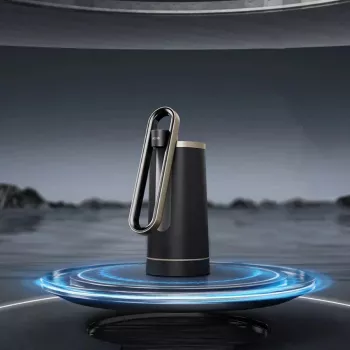
If the goal is convenient, countertop access to clearer, better-tasting water—without the typical RO drawbacks (slower production, higher pressure needs, or wastewater)—a UF desktop format is a strong match. The High-Efficiency Desktop UF Membrane Filter Water Purification System is designed for quick everyday use, focusing on particle reduction and clarity while generally preserving minerals compared with many RO-style setups.
Who This Desktop UF System Is For
| User Need | Why a UF Desktop Unit Fits | What to Confirm Before Buying |
|---|---|---|
| Better taste for daily drinking | Often includes carbon polishing and particle reduction | Filter stages and replacement availability |
| Clearer water in older buildings | Targets sediment/rust particulates | Expected flow rate under real tap conditions |
| Minimal installation hassle | Countertop/desktop footprint avoids plumbing work | Space, inlet compatibility (if applicable), and setup steps |
| Keeping minerals while filtering | UF typically retains most TDS | If dissolved contaminants are a concern, consider added media or RO |
Related Home Upgrades to Consider
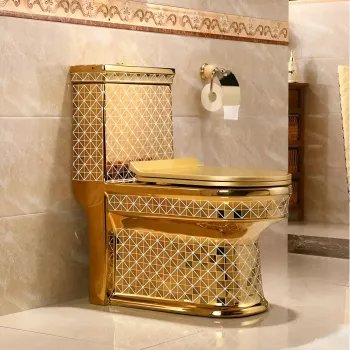
Water quality is only one part of a comfortable daily routine. For a coordinated bathroom upgrade that emphasizes design and function, the Luxurious Gold Artistic One-Piece Ceramic Toilet with Dual-Flush System adds a refined look while supporting efficient flush control.
And for building calmer habits that make it easier to stay consistent with healthy routines (like drinking enough water), explore Mindful Moments: How Mindfulness Eases Stress and Boosts Your Daily Calm.
FAQ
Does a UF membrane filter remove viruses?
UF filtration is size-based, and many UF membranes are not designed to reliably remove all viruses. Results depend on the membrane rating and verified system testing, so check certified performance claims and consider additional disinfection if viral contamination is a concern.
Will a desktop UF purifier reduce hard water scale?
Hard water scale comes from dissolved calcium and magnesium, which UF typically does not remove. If scale is the main issue, consider softening via ion exchange, RO, or other scale-control approaches based on your goals.
How often do filters need to be replaced in a desktop UF system?
Replacement frequency varies with water quality and usage, but sediment stages often need attention first when flow slows, carbon is typically changed when taste/odor returns, and the UF membrane is replaced per the manufacturer’s schedule. Following the unit’s specified intervals and watching for noticeable flow drop is the most reliable approach.














Leave a comment