Modular Sleeper Sectional: Storage + Adjustable Backrest
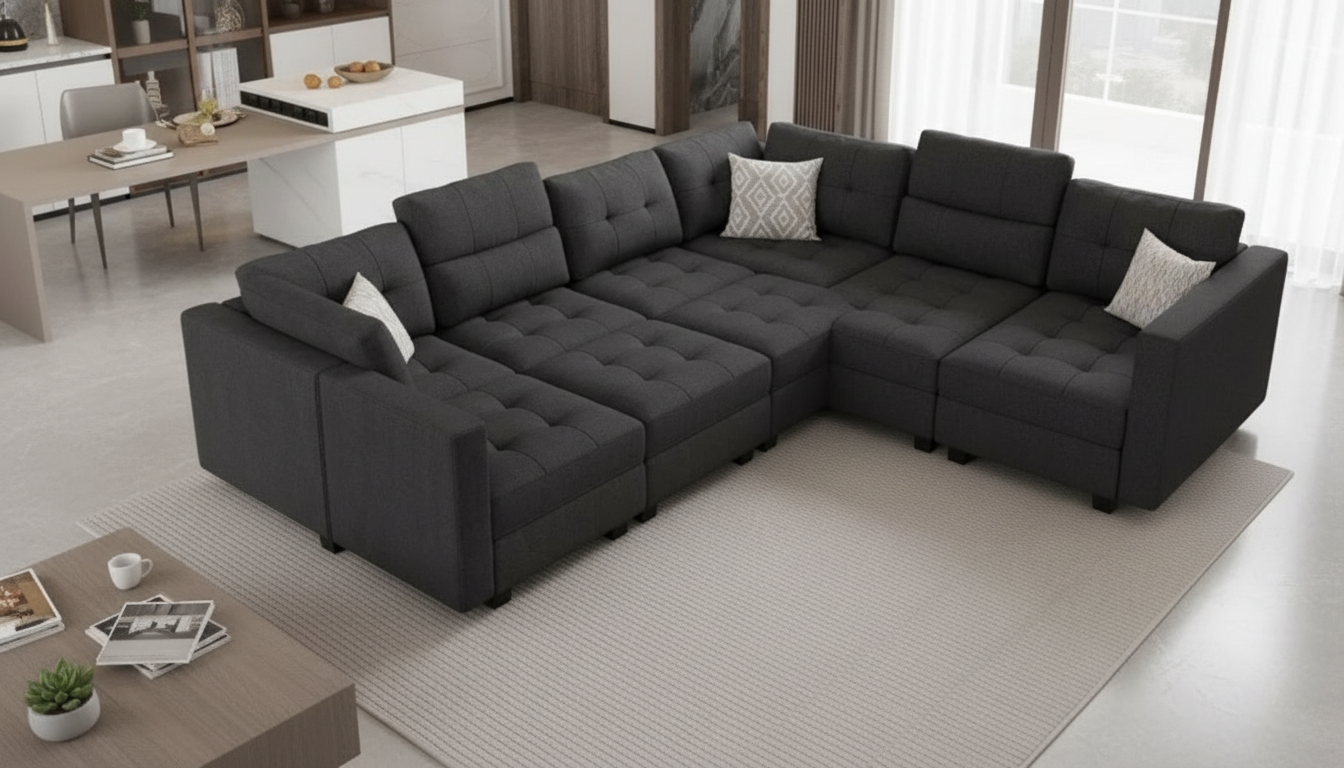
Modular Comfort That Handles Real Life
A sectional that adapts to everyday lounging, last-minute guests, and clutter control can change how a living room functions. This modular sleeper design combines reconfigurable seating, a pull-out sleep surface, hidden storage, and an adjustable backrest so the same footprint can handle movie nights, work-from-sofa afternoons, and overnight stays with fewer compromises.
If you’re furnishing a space that has to do double (or triple) duty, the Modular Sectional Sleeper Sofa with Storage and Adjustable Backrest is built for the kind of day-to-day switching that happens in modern homes—without making your living room feel like a spare bedroom that happens to have a TV.
What Makes This Sofa Different Day to Day
The biggest advantage of a modular sectional sleeper is how many “normal” moments it simplifies: quick cleanups, impromptu hosting, changing your layout, and getting comfortable without stacking pillows like a DIY project.
- Modular layout for frequent rearranging: Shift the configuration for hosting, open-floor-plan flow, or to carve out a calmer reading corner.
- Sleeper functionality without the dedicated guest room: A pull-out sleep surface turns your living room into a guest-ready space on demand.
- Integrated storage for clutter control: Keep blankets, extra pillows, and seasonal throws close while reducing what’s visible day to day.
- Adjustable backrest for multiple sitting styles: Go upright for conversation, mid-recline for TV, or deeper recline for real lounging.
- One cohesive design matters: The sleeper extension, storage access, and backrest positions should work together without blocking pathways or forcing awkward “furniture gymnastics.”
Modular Configurations That Fit Real Rooms
Modular seating shines when rooms aren’t perfect rectangles—or when your needs change from weekday routines to weekend gatherings. Before committing to a layout, measure both the “fit” (wall-to-wall) and the “flow” (walking lanes to doors, hallways, and media consoles).
Popular modular layouts
- L-shape setup: Defines a seating zone and maximizes corner space without adding extra chairs.
- U-shape or wide lounge setup (where room allows): Encourages group seating and creates a natural hangout hub.
- Chaise-forward layout: Prioritizes stretching out; useful in narrower rooms where full sectional depth can overwhelm.
- Split configuration: Separate modules into two seating areas—handy in studios or multifunctional family rooms.
| Goal | Suggested layout | Best for | Watch for |
|---|---|---|---|
| More seating in less space | Compact L-shape | Apartments, condos | Corner depth and walkway pinch points |
| Comfort-first lounging | Chaise-forward | TV rooms, reading corners | Need for side tables and lamp reach |
| Guest-ready flexibility | Modules near sleeper position | Frequent overnight visitors | Clearance for pull-out extension |
| Entertaining a crowd | Wide/U-style | Open living areas | Traffic paths behind the sectional |
Sleeper Function: Comfort and Convenience Checks
A sleeper sectional earns its keep when it’s easy to convert and easy to live with. A smooth mechanism is a daily-quality detail—not just a once-a-year feature.
- Conversion style: A pull-out or fold-out mechanism should open smoothly without scraping floors. If you have delicate flooring, consider felt protectors and keep rug edges flat so the extension doesn’t snag.
- Sleeping surface expectations: Living-room sleepers often feel firmer than a traditional mattress. For guests staying multiple nights, a thin topper or quilted pad can make a noticeable difference.
- Best use cases: Ideal for occasional guests, movie-night naps, and a backup sleep spot when someone needs space.
- Access and clearance: Confirm there’s enough room to fully extend the bed and still keep a practical route to exits and bathrooms.
- Bedding strategy: Store a dedicated guest set in the built-in storage so hosting is a one-step setup rather than a scavenger hunt.
Built-In Storage: How to Use It Without the Mess
Adjustable Backrest: Finding the Right Angles
Care, Placement, and Long-Term Use
- Room placement: Leave enough space behind and beside the sofa for ventilation, outlet access, and cleaning tools.
- Floor protection: Use furniture pads to prevent scuffs. Make sure the sleeper extension doesn’t catch on thick carpet edges or curled rug corners.
- Routine cleaning: Vacuum seams and under-seat areas weekly to reduce dust buildup that can interfere with moving parts.
- Spill readiness: Keep an upholstery-safe spot cleaner available and blot quickly; avoid over-wetting fabrics near seams and mechanisms. For general fabric care basics, reference the American Cleaning Institute’s guidance.
- Rotation habits: If one module is always the “favorite seat,” rotate module positions periodically to even out wear.
For a safer home setup overall—especially in active households—review the CPSC’s furniture safety resources for practical tips that can help reduce tip-over and stability risks around the home.
Helpful Add-Ons to Complete the Space
- Modular Sectional Sleeper Sofa with Storage and Adjustable Backrest (the living-room anchor for lounging, storage, and guests)
- Mindful Moments: How Mindfulness Eases Stress and Boosts Your Daily Calm (a quick digital reset for busy days at home)
- Breathe, Mama, Breathe: Finding Calm in the Kid-Chaos (short exercises for calmer transitions—before guests arrive or after everyone leaves)
FAQ
How much space is needed to open the sleeper section comfortably?
Measure the full extension path of the sleeper plus an extra walking lane so people can still pass through comfortably. Keep clearance to doors and main traffic routes, and account for rugs that could bunch or add friction when the bed slides out.
What should go in the storage compartment, and what should be avoided?
Use it for linens and soft goods like blankets, sheets, and seasonal pillow covers. Avoid damp items and heavy objects; breathable bags and a simple two-category system (bedding vs. extras) keep it clean and easy to access.
Is an adjustable backrest useful for everyday sitting?
Yes—upright support is better for conversation and tasks, mid-recline suits TV viewing, and deeper angles help with reading or naps. The most comfortable setting depends on seat depth, and a small pillow can fine-tune lumbar support.











Leave a comment