Decorate Any Room Faster: A Simple Step-by-Step Plan
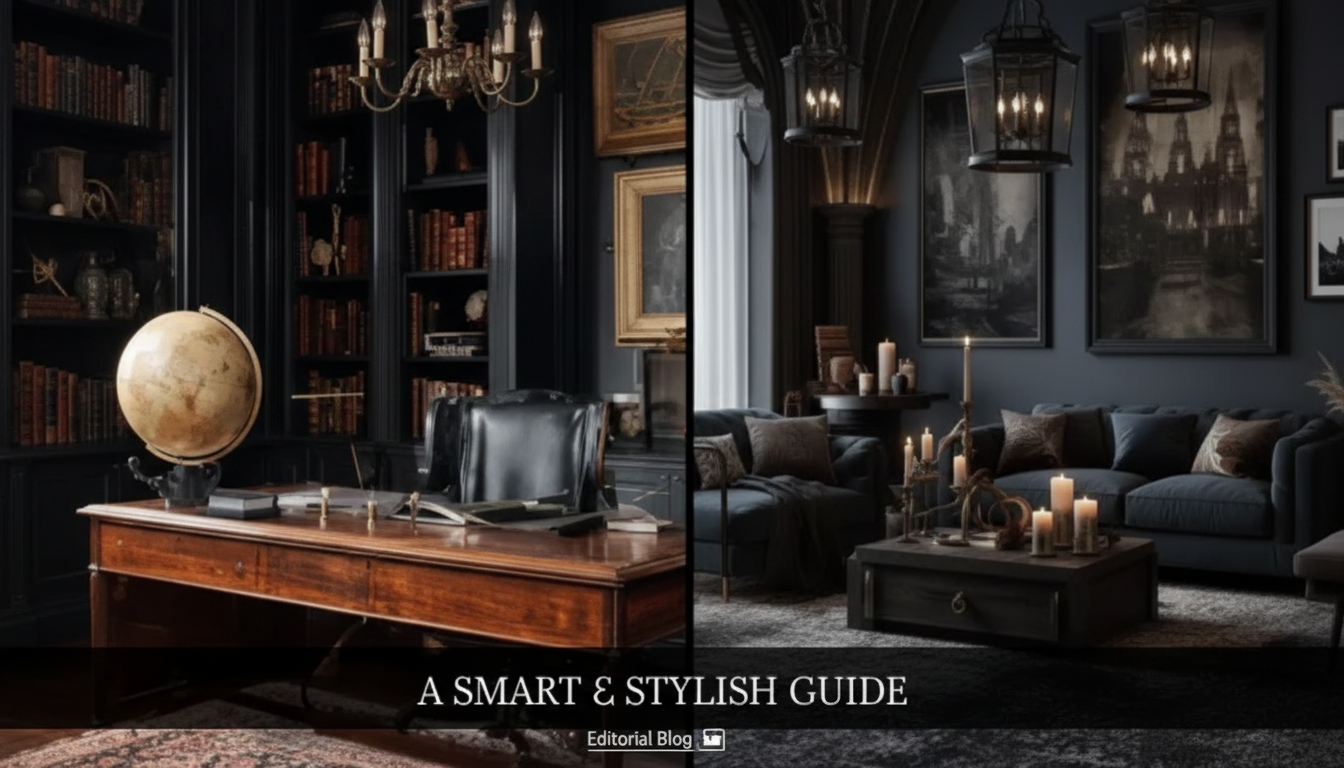
Start with the Room’s Purpose (and the One Feeling to Aim For)
Many rooms feel “almost finished” because the shopping started before the room had a clear job. Begin by choosing the space’s primary purpose—relaxing, focused work, entertaining, sleep, or a true multi-use setup. That single decision keeps you from buying attractive pieces that don’t actually support how you live day to day.
Next, pick one “anchor feeling” to guide the look. Calm, cozy, energized, airy, and dramatic are all valid—just choose one as the North Star. When you’re torn between two rugs or a pair of lamps, the winner is the option that best reinforces that feeling through color, texture, and light.
To keep it practical, define success with three quick statements:
- What needs to fit: “Seating for 4,” “desk + printer,” “crib + rocker.”
- What must be easy: “Wipeable surfaces,” “storage for toys,” “cords hidden.”
- What must feel good: “Warm and inviting,” “quiet and minimal,” “bright and upbeat.”
Measure First: The Fastest Way to Avoid Costly Mistakes
Before choosing furniture, record the basics: room dimensions, ceiling height, window sizes, and door swings. Keep the measurements somewhere easy to access while shopping (a note on your phone works). This step alone prevents the classic “it looked smaller online” regret.
Painter’s tape is a secret weapon for fast decision-making. Outline a sofa footprint on the floor, mock up an art size on the wall, or map a dining table plus chair pull-out space. If it feels tight in tape form, it’ll feel worse in real life.
Finally, protect circulation paths. Comfortable walkways help a room feel open even with full-size pieces. As a rule of thumb, aim for clear routes between doors, seating, and the most-used storage—when movement is easy, the whole room feels more intentional.
Build a Color Plan That Stays Cohesive (Without Feeling Matchy)
A cohesive room doesn’t require everything to match. It needs a simple structure: a dominant neutral, a secondary color, and one accent. Metal finishes and wood tones act like supporting neutrals—repeat them in a few places and they’ll quietly “tie the room together.”
To keep the palette layered instead of copied, repeat colors across different materials: a secondary color might show up in a throw, an artwork detail, and a ceramic vase—same family, different textures. This is a basic design principle related to repetition and harmony (see The Principles of Design for a helpful overview).
Let fixed elements lead the plan. Floors, large rugs, and major upholstery are harder to swap than pillows or decor. If your floors skew warm, a cool-gray “modern” scheme may fight the undertones; adjust toward warmer whites, greiges, or earthy accents instead.
Simple palette formulas
| Style mood | Dominant base | Secondary color | Accent idea |
|---|---|---|---|
| Calm and airy | Warm white or light greige | Soft sage or dusty blue | Black details or natural oak |
| Cozy and grounded | Cream or warm taupe | Terracotta or olive | Brass accents and deep brown wood |
| Modern and crisp | White or cool gray | Charcoal | One bold pop (cobalt, mustard, or rust) |
Choose the Right “Big Three”: Rug, Seating, and Lighting
1) Rug (often first)
When possible, choose the rug early—it sets the scale and the color story. A common finishing mistake is picking a rug that’s too small. Going larger than expected usually makes the room feel more elevated because key furniture can sit partially on the rug (front legs on is a strong baseline).
2) Seating (built for real life)
3) Lighting (the finishing multiplier)
One ceiling fixture rarely finishes a room. Aim for layered lighting: ambient (overall), task (reading/work), and accent (art, shelves, or a corner that needs depth). Thoughtful lighting also supports comfort and well-being; the Lighting Research Center (LRC) at Rensselaer Polytechnic Institute is a solid reference point for how light affects daily life.
A 90-Minute “Make It Work” Layout Method
90-minute layout checklist
| Step | Action | What to look for |
|---|---|---|
| 1 | Anchor the room with the largest piece | Clear pathways and comfortable viewing/interaction angles |
| 2 | Confirm scale with rug + tables | Front legs on rug; tables reachable from seating |
| 3 | Layer lighting | Ambient + task + accent; warm bulbs for cozy spaces |
| 4 | Add wall elements | Art sized to furniture; mirrors placed to bounce light |
| 5 | Style and edit | A few intentional groupings; surfaces not overcrowded |
The Finishing Layer: Styling That Looks Intentional (Not Overdone)
When Decisions Feel Overwhelming: A Simple Step-by-Step Resource
For a streamlined, room-by-room approach, consider A Smart & Stylish Guide to Decorating Your Space | Home Decor eBook | How to Decorate Your Home Made Simple. It’s designed to turn scattered ideas into a clear plan that helps rooms feel pulled together faster.
Since a finished home also depends on how it feels to live in, pairing decorating upgrades with simple calming routines can make the space more enjoyable day to day. Mindful Moments: How Mindfulness Eases Stress and Boosts Your Daily Calm offers a practical way to support a calmer atmosphere—especially helpful when a space is shared, busy, or in transition.
FAQ
What is the easiest order to decorate a room?
Start with purpose and measurements, then choose a palette, lock in the big pieces (especially rug and seating), add lighting layers, hang art, and finish with textiles and edited decor.
How can a small room look more put together without renovating?
Use a larger rug than expected, add layered lighting, hang correctly sized art, keep a cohesive palette, and style a few intentional groupings while reducing visual clutter.
How do you choose colors that won’t clash as you add more pieces?
Pick one dominant neutral, one secondary color, and one accent, then repeat them across different materials. Let fixed elements like floors and large upholstery guide the undertones so new additions stay cohesive.









Leave a comment