Stress Less, Live More: Quick Calm Habits That Stick
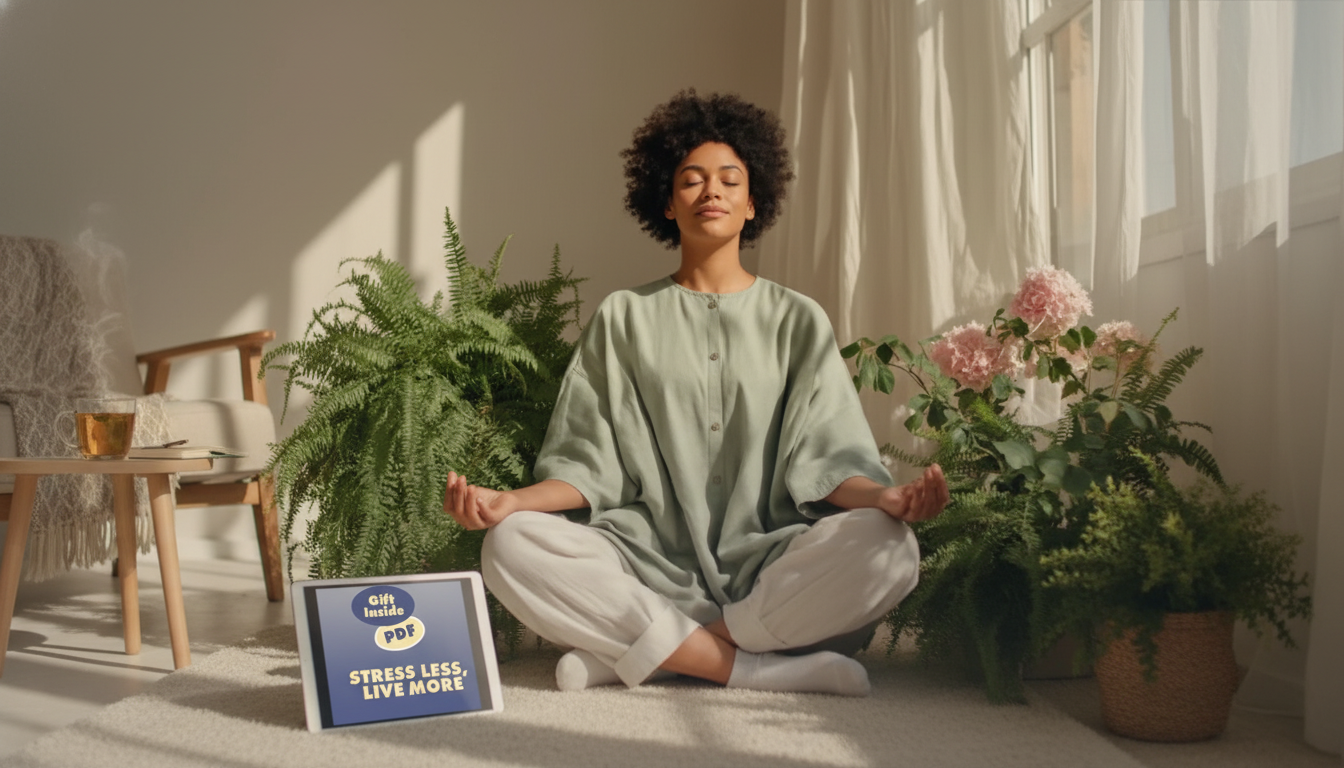
Stress Less, Live More: A Practical Path to Mindfulness, Calm Habits, and Daily Ease
Daily stress can show up as racing thoughts, tense muscles, irritability, poor sleep, or the feeling of always being “on.” A practical stress-reduction plan doesn’t require a full lifestyle overhaul—just repeatable tools that fit real schedules. The Stress Less, Live More: Your Practical Guide to Stress Reduction Management digital eBook is built around small, doable actions that help you lower your day-to-day “stress load,” respond earlier to pressure, and build steadier routines that hold up on busy days.
Stress is also physical. When it runs high for too long, it can affect multiple systems in the body—sleep, mood, energy, focus, and more. If you want a deeper overview of how stress impacts the body, the American Psychological Association’s guide to stress effects is a helpful reference.
What this digital eBook helps you change (without unrealistic promises)
The goal isn’t a perfectly calm life. It’s better control over the moments that usually hijack your attention—and a simple plan you can return to when you’re stretched thin.
- Shift from reacting to stress to noticing it early and responding on purpose
- Build a personal set of calming tools: breath, attention training, body resets, and boundary habits
- Create consistency with small routines that reduce decision fatigue
- Support better sleep and energy by lowering daily “stress load”
What’s inside: practical tools that work in small time blocks
This is an action-focused guide designed for real calendars—workdays, commutes, caregiving, and unpredictable weeks. Instead of long sessions or complicated rituals, it emphasizes short practices you can repeat until they become second nature.
- Mindfulness basics for beginners: simple attention anchors (breath, body, sounds) without complicated rituals
- Quick downshift exercises: 60–180 second resets for work, commuting, or between tasks
- Stress awareness: identifying triggers, early warning signs, and patterns that keep stress looping
- Habit-building approach: making calm routines automatic through cues, tiny steps, and tracking
- Lifestyle foundations: sleep, movement, and environment tweaks that make stress skills more effective
For readers who want a tighter, mindfulness-forward companion resource, Mindful Moments: How Mindfulness Eases Stress and Boosts Your Daily Calm pairs well with a broader stress plan—especially if you like brief, “do it anywhere” attention training. For a science-backed overview of meditation and mindfulness, the NIH’s National Center for Complementary and Integrative Health offers an accessible summary.
Who it’s best for
- Busy adults who want simple practices that don’t require long sessions
- Anyone feeling mentally “full,” scattered, or stuck in constant urgency
- People who prefer practical structure (checklists, routines, repeatable steps)
- Readers looking for a digital resource that can be revisited anytime
A simple 7-day starter plan (sample routine you can repeat)
Think of this as a “minimum effective dose” week. Keep each practice short at first; consistency matters more than duration. Pair each exercise with a stable cue (morning coffee, lunch break, bedtime) so you’re not relying on motivation alone.
| Day | Focus | Practice (5–12 minutes) | When to do it |
|---|---|---|---|
| Day 1 | Notice stress signals | Body scan + write 3 common stress cues | Evening |
| Day 2 | Breath as a reset button | Box breathing (4-4-4-4) + 1-minute pause | Midday |
| Day 3 | Thoughts vs. facts | Name the worry + list what’s controllable | After a trigger |
| Day 4 | Nervous system downshift | Longer exhale breathing + shoulder release | Afternoon |
| Day 5 | Boundaries in small steps | One “no” script + plan a 10-minute buffer | Morning |
| Day 6 | Calm habits that stick | Pick one cue-routine-reward loop + track it | Anytime |
| Day 7 | Review and simplify | What worked/what didn’t + set next week’s 2 habits | Evening |
Core techniques that make stress feel more manageable
The fastest wins usually come from reducing physiological arousal and interrupting mental spirals—then reinforcing those wins with a few default routines.
If you’re supporting a household while managing your own stress—especially with constant interruptions—Breathe, Mama, Breathe: Finding Calm in the Kid-Chaos offers quick, realistic “in-the-moment” regulation practices that fit parenting life.
Making calm habits stick when motivation drops
Digital download: how to get the most value from the format
For additional practical ideas on coping tools and supportive actions, the CDC’s stress coping guide is a useful companion read.
Related guides for specific situations
- For a shorter, focused approach to everyday mindfulness and calm: Mindful Moments: How Mindfulness Eases Stress and Boosts Your Daily Calm can complement a broader plan without adding complexity.
- For parents juggling noise, interruptions, and mental load: Breathe, Mama, Breathe: Finding Calm in the Kid-Chaos emphasizes quick regulation you can do mid-chaos.
- Using one “main guide” plus one niche guide can reduce overwhelm and keep practice targeted.
Price and value checkpoints
If you want one core resource to return to whenever life speeds up, start with Stress Less, Live More: Your Practical Guide to Stress Reduction Management and commit to a repeatable baseline: one breath reset, one micro-break, and a short evening check-in.
FAQ
How quickly can stress reduction techniques make a difference?
Some tools—like breathing patterns, grounding, and short muscle releases—can reduce tension in minutes. Habit change and resilience typically build over days to weeks, so small daily reps matter more than occasional long sessions.
Is mindfulness required to benefit from this guide?
No. Mindfulness is treated as simple attention training, not a requirement for long meditation. You can still get meaningful results from breathing resets, routines, boundaries, and cognitive tools.
What if there’s no time for a full routine?
Use micro-practices (60–180 seconds), stack them onto existing cues (coffee, bathroom break, shutting your laptop), and keep a minimum baseline for busy days. Short consistency is the lever that keeps stress from piling up.
















Leave a comment