Electric Grill Disadvantages: Heat, Flavor, and Limitations
What is the disadvantage of an electric grill?
The biggest disadvantage of an electric grill is that it can’t match the high-heat performance and smoky flavor you get from charcoal or gas. Electric models rely on a heating element, so they typically top out at lower temperatures, which can make it harder to achieve a deep sear, crisp skin, or fast caramelization on steaks, burgers, and chops.
Lower maximum heat and weaker searing
Many electric grills heat evenly, but not always intensely. When surface temperatures are limited, foods can cook through before they develop the browned crust that adds texture and savory flavor. This is especially noticeable with thick steaks, smash burgers, and vegetables that taste best when blistered quickly.
Less authentic “grilled” flavor
Without charcoal combustion or gas flare-ups, electric grilling produces little to no smoke. You can still get tasty results, but the signature barbecue aroma is muted. Some people compensate with marinades, smoked salts, or smoker boxes (when compatible), yet it’s not quite the same as cooking over flame.
Dependence on an outlet and slower preheat
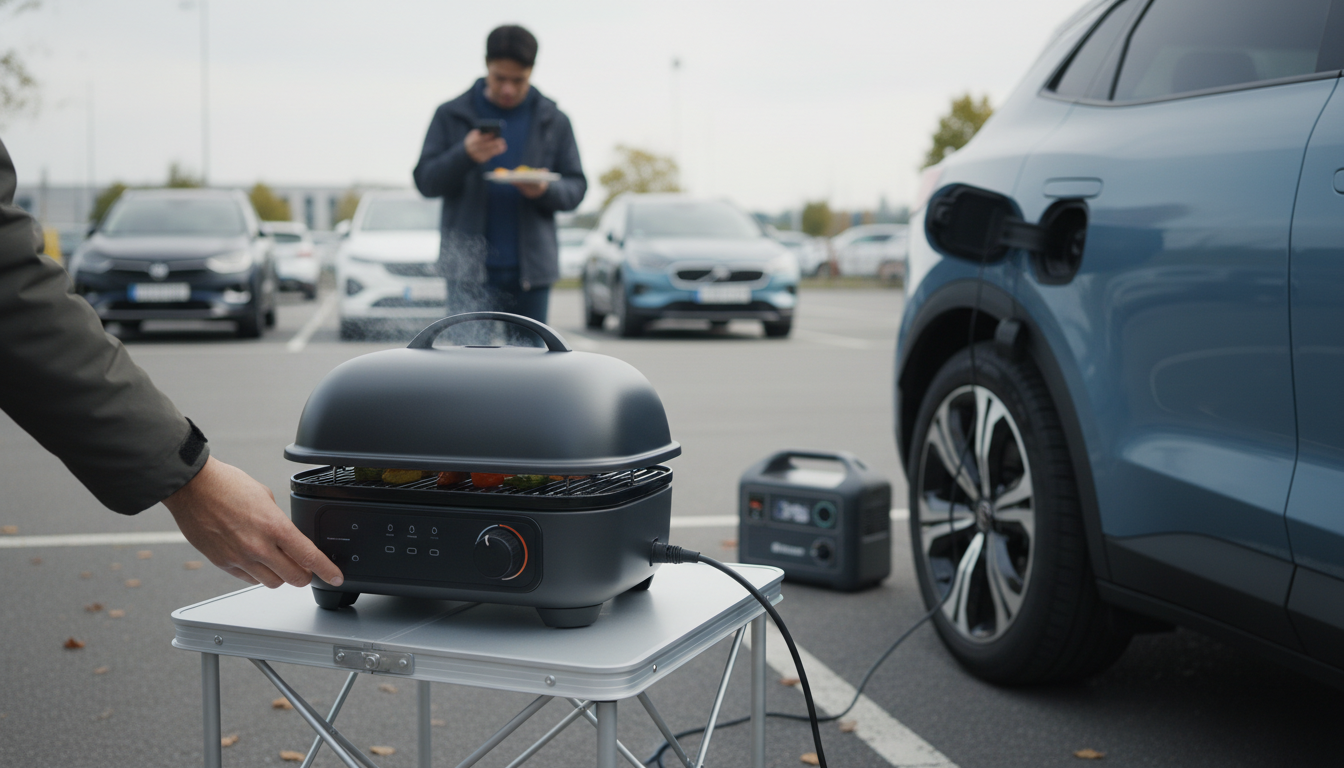
Electric grills need access to power, which can limit where you can cook and may require extension-cord planning. Some units also take longer to preheat or recover heat after adding cold food, so cooking in batches for a crowd can feel slower than on a high-output gas grill.
Outdoor performance can suffer
Wind and cold weather can sap heat from electric grills more than from covered gas or charcoal setups. If the grill struggles to maintain temperature, cook times can stretch and results can be less consistent.
For a deeper breakdown of the trade-offs—including who electric grills work best for—read the full guide here: https://sculptori.com/blog/what-is-the-disadvantage-of-an-electric-grill/.
FAQ
Can you use an electric grill indoors safely?
Many electric grills are designed for indoor use, but safety depends on the model and ventilation. Follow the manufacturer’s instructions, keep the grill away from flammable items, and use a surface that can handle heat and splatter.
















Leave a comment