Luxury Living Room Styling: A Cohesive Step-by-Step Guide
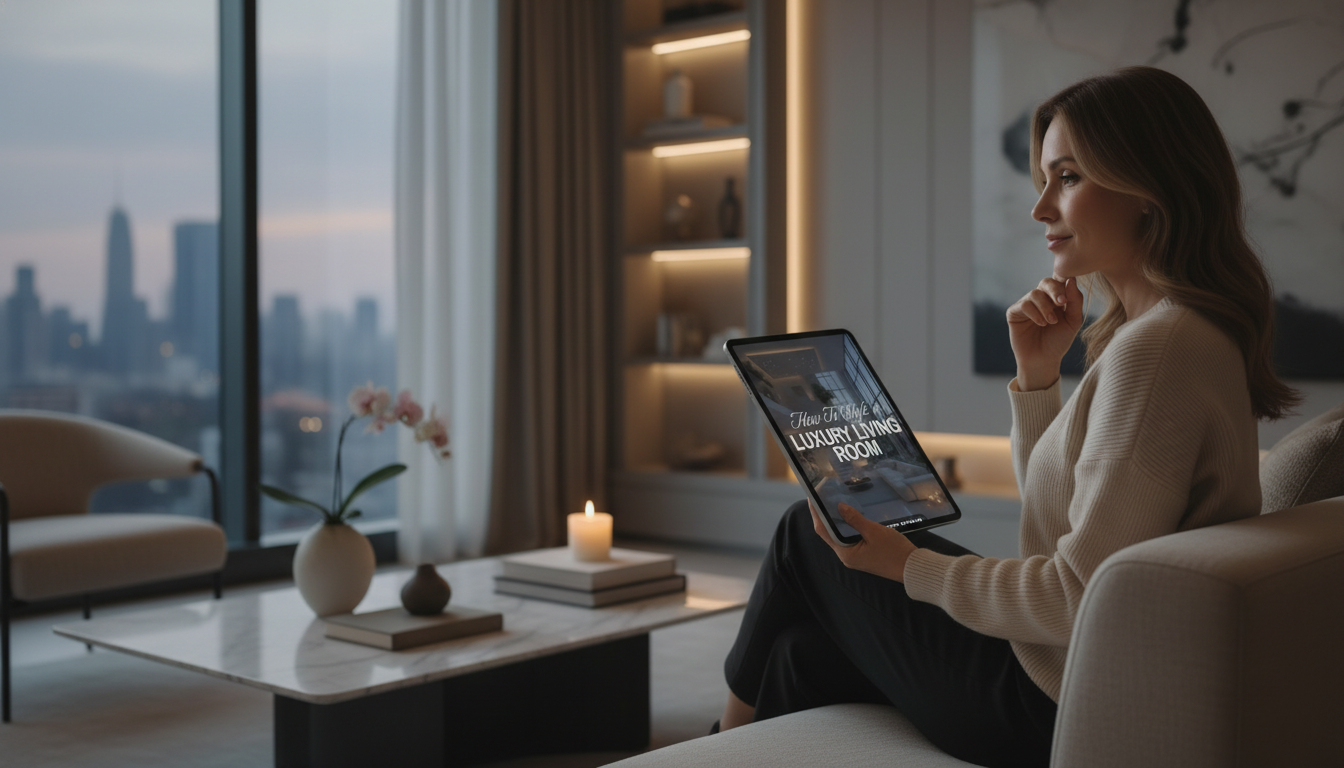
A Refined, Step-by-Step Approach to Luxury Living Room Styling
A luxury living room feels intentional: balanced proportions, elevated materials, layered lighting, and curated objects that look collected—not crowded. The difference usually isn’t “more expensive,” but more disciplined: a clear palette, fewer (better) pieces, and repeatable rules for scale, spacing, and finishes. Below is a practical sequence—style direction, anchor pieces, layout, lighting, textiles, surfaces, and finishing touches—so the room reads cohesive from every angle, photographs beautifully, and lives comfortably day to day. For more guidance, see [PDF] Volume 5, Issue 4, Early Autumn 2021 – The Journal of Dress History.
Start with a clear style direction and a tight palette
Luxury starts before the first purchase. Pick a “style lane” and keep the major decisions consistent: modern classic, contemporary, Parisian, quiet luxury, or transitional. When a room looks expensive, it usually means it looks decided. For further reading, see Historic Hotel Names – Famoushotels.org.
- Limit the core palette to 3–5 tones: a dominant neutral, a secondary neutral, one accent, plus 1–2 finish notes (metal and/or wood).
- Repeat materials on purpose: use the same wood tone at least twice (coffee table + frames), the same metal finish 2–3 times (lamp + hardware + tray), and one textile family across multiple items (linen, velvet, or bouclé).
- Assign sheen early: decide what stays matte (walls, large upholstery) vs. what gets gloss (lacquer, glass, polished stone). Too many competing sheens can feel busy instead of refined.
Build the room around anchor pieces that set the standard
If the living room is going to read high-end, the “big three” do most of the work: sofa, rug, and coffee table. These pieces carry the visual weight and set the quality bar for everything else.
- Sofa: prioritize tailoring—clean seams, structured arms, quality upholstery, and cushions that hold their shape. Scale it so it doesn’t look undersized (small furniture is one of the fastest ways to lose a luxury feel).
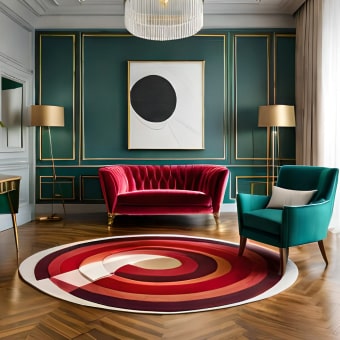
- Rug: choose a size that allows at least the front legs of all seating to sit on it. A too-small rug makes the room feel like a collection of separate items rather than a composed suite.
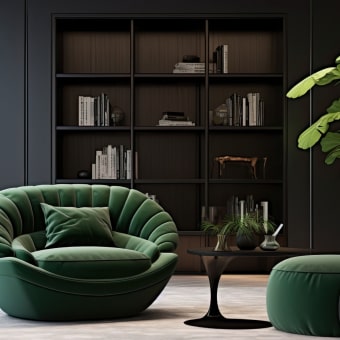
- Coffee table: create contrast for depth. Pair a soft, plush sofa with a stone/metal table, or balance a structured sofa with a warm wood table.
If you want a step-by-step reference while you shop and edit, the How to Style a Luxury Living Room – Digital Guide, eBook & Checklist is built for quick decisions: palette rules, layout checkpoints, and styling formulas you can repeat room to room.
Plan the layout like a boutique hotel lounge
Luxury living rooms borrow from hotel lounges: they’re social, breathable, and easy to move through. Aim for conversation distance (close enough to speak comfortably without leaning in), then use negative space to make the key pieces look more important.
Luxury layout checkpoints
| Element | What looks refined | Common mistake to avoid |
|---|---|---|
| Rug | Large enough to anchor all seating; edges align neatly with furniture | Rug that floats under only the coffee table |
| Coffee table | Proportional to sofa; leaves comfortable clearance to walk | Oversized table that blocks movement |
| Seating | Balanced across the room; matched heights and visual weight | All heavy pieces on one side (room feels lopsided) |
| Side tables | One per seat where possible; coordinated finishes | Random mix of heights and styles |
| Sightlines | A “moment” at entry (art, console, or statement lighting) | No focal point; room feels unfinished |
Layer lighting for depth, glow, and flattering shadows
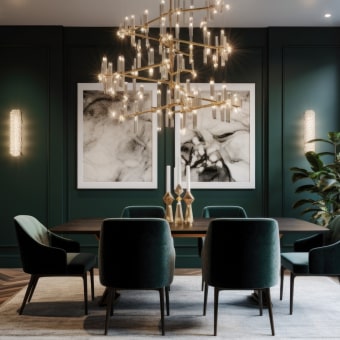
- Use three layers: ambient (ceiling), task (reading), and accent (art/objects).
- Keep color temperature consistent: mixed bulbs can make a room feel patchy. For deeper guidance on lighting fundamentals and visual comfort, consult the IES Lighting Handbook and color/vision resources from the International Commission on Illumination (CIE).
- Add dimmers where possible: it’s the easiest way to shift from daytime crispness to evening glow.
- Use accent lighting to highlight texture: a picture light over art, a small lamp on a console, or a directional light grazing drapery adds dimension.
For the “lounge” feeling to land, the room should also feel calm. If you like pairing elevated interiors with everyday rituals, Mindful Moments: How Mindfulness Eases Stress and Boosts Your Daily Calm complements the atmosphere you’re building—quiet, warm, and restorative.
Elevate with textiles: drapery, cushions, and throws that look tailored
If the living room needs to work for real life (kids, noise, busy evenings), small routines matter. A quick reset habit can help the space stay serene; Breathe, Mama, Breathe: Finding Calm in the Kid-Chaos is an easy, practical add-on to keep the “luxury lounge” vibe from turning into daily clutter stress.
Style surfaces with a museum-like edit
Art, mirrors, and finishing touches that make it feel complete
A room-by-room checklist for a polished result
FAQ
What makes a living room look luxurious without a full renovation?
Focus on scale (proper rug size, proportional art), layered lighting with warm dimmable bulbs, tailored drapery hung high and wide, and fewer high-impact decor pieces with consistent finishes.
How many colors should a luxury living room have?
Keep it to 3–5 tones: two neutrals, one accent, plus 1–2 finish notes (metal/wood). Repeating materials and finishes is what makes the palette feel cohesive instead of flat.
What are the most common styling mistakes that make a room feel less high-end?
The biggest culprits are too-small rugs, cluttered surfaces, mismatched metal finishes, harsh overhead lighting without lamps, and underscaled art or curtains hung too low.









Leave a comment