Indoor Korean BBQ Grill + Hot Pot Combo (Smokeless)
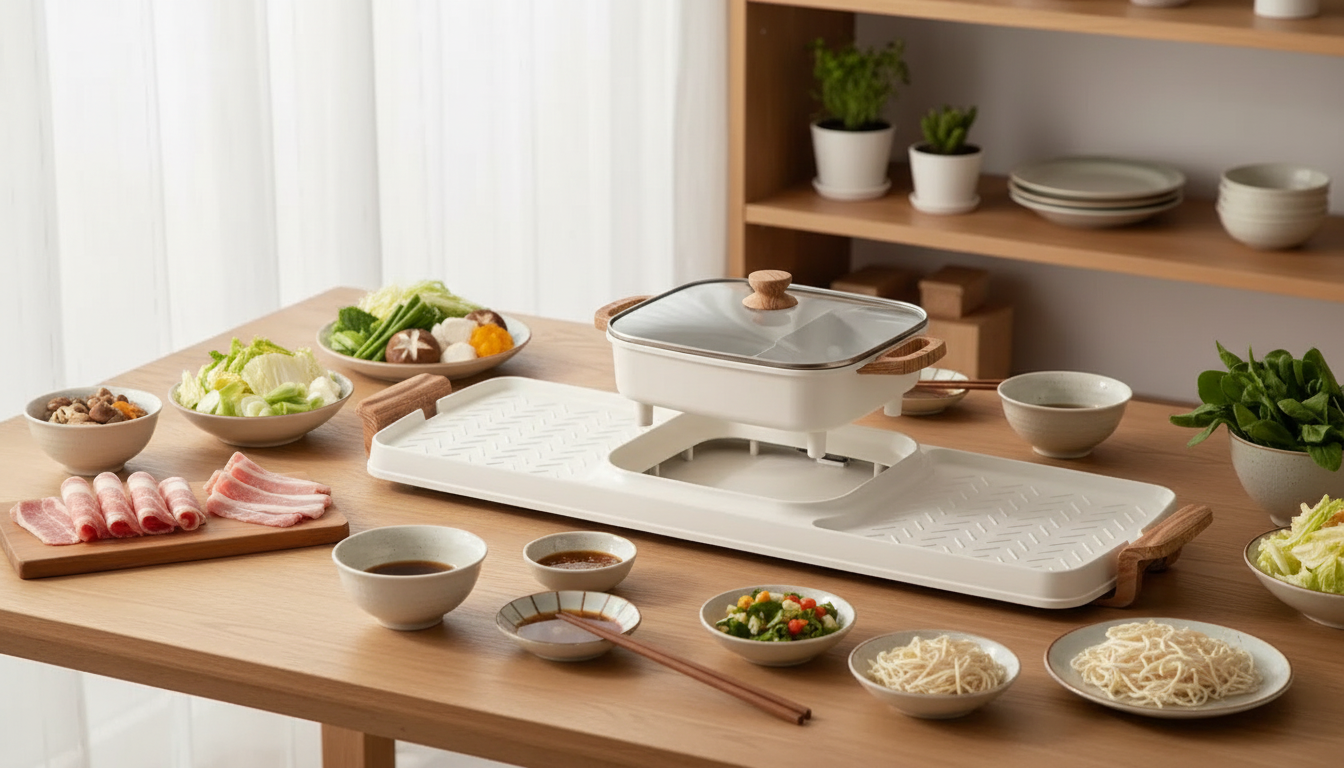
Multi-Functional Indoor Korean Hot Pot and Barbecue Grill for Tabletop Meals
A combined hot pot and tabletop barbecue grill makes it easier to host Korean-style meals indoors without juggling separate appliances. This electric cooking pan format is designed for apartment-friendly cooking sessions, with a grill side for searing and a pot area for simmering broths, all on a controlled heat source meant to reduce lingering smoke compared with open-flame grilling.
What This Cooker Is Designed For
This style of electric Korean hot pot and BBQ grill is built around one idea: keep the cooking interactive, contained, and practical for indoor spaces.
- Indoor Korean BBQ-style grilling with controlled heat for meats, seafood, and vegetables
- Hot pot meals with simmered broth for noodles, dumplings, mushrooms, and thin-sliced proteins
- Shared tabletop cooking for small gatherings where everyone cooks at the table
- Weeknight cooking when a stovetop + separate grill pan setup feels like too much cleanup
How the Grill + Hot Pot Combination Works
Combination units typically divide the cooking surface into two zones: a grill area for direct heat and a pot area for broth-based cooking. That means you can sear quick bites while the broth develops flavor—and then dip, dunk, or pair everything together at the table.
- Separate cooking zones allow grilling and simmering at the same time, so grilled bites can be dipped into hot broth or paired with noodles and greens
- Electric heat provides steadier temperature control than portable flame burners in many indoor setups
- A sloped or channeled grill surface (common on this style of cooker) helps guide rendered fat away from food for cleaner searing
- Lidded or deeper pot areas (depending on configuration) help maintain a steady simmer while the grill stays hot
Common Cooking Setups and Best Foods
| Setup | Best For | Helpful Tip |
|---|---|---|
| Grill only | Bulgogi, pork belly, shrimp, sliced vegetables | Preheat before adding meat to improve browning and reduce sticking |
| Hot pot only | Broths, noodles, dumplings, tofu, mushrooms | Keep a gentle simmer for clearer broth and more even cooking |
| Grill + hot pot together | Shared meals with dipping sauces and quick-cooking proteins | Cook faster items on the grill while broth builds flavor in the pot |
Smokeless Indoor Cooking: What to Expect
“Smokeless” in indoor grilling usually means reduced visible smoke compared with open flame—not a zero-odor, zero-steam experience. Even with a well-managed grill surface, cooking proteins releases aroma, and any hot surface can generate smoke if oil or sugars overheat.
- “Smokeless” usually means reduced visible smoke compared with open flame, not zero odor or zero steam
- Lower smoke output often comes from more controlled temperatures and better fat management on the grill surface
- Ventilation still matters: run a range hood if available, crack a window, and avoid overheating oil-heavy marinades
- Food choices affect smoke: sugary sauces and fatty cuts smoke faster; leaner cuts and moderate heat stay cleaner
For a helpful baseline on indoor air considerations, review the EPA’s overview of indoor air quality at https://www.epa.gov/indoor-air-quality-iaq.
Heat Control and Cooking Results
The biggest advantage of an electric tabletop cooker is predictable heat. That consistency matters when you want a pot that stays at a gentle boil while the grill keeps enough heat to brown thin slices quickly.
- Look for stable heat that can hold a simmer in the pot while keeping the grill hot enough to sear
- For grilling, aim for a steady sizzle rather than smoking oil; adjust temperature before oil starts to haze
- For hot pot, use higher heat to bring broth up to temperature, then lower heat to maintain a gentle boil
- If the unit has separate controls per zone, it can simplify timing; if not, plan around one shared temperature
A practical timing approach: start the broth first (especially if you’re building flavor with aromatics), then preheat the grill as everyone gets seated. Save sugary marinades for later in the meal, after the surface is hot and you can lower the heat slightly to finish without burning.
Cleaning and Everyday Maintenance
Combination cookers are easiest to enjoy when cleanup stays quick. The goal is to prevent grease from baking on and to keep the electrical base dry and protected.
If you like to portion leftovers (broth, noodles, sliced vegetables) after a shared meal, a simple storage solution can help keep the fridge organized, such as the Plastic Bread Box with Airtight Lid for Fresh Bread and Food Storage.
Safety Notes for Tabletop Grilling Indoors
For temperature guidance, the USDA’s safe minimum internal temperature chart is a reliable reference: https://www.fsis.usda.gov/food-safety/safe-food-handling-and-preparation/food-safety-basics/safe-temperature-chart. For broader tips on preventing foodborne illness during group meals, see the CDC’s food safety resource: https://www.cdc.gov/food-safety/index.html.
Who This Style of Cooker Fits Best
Product Page: Price, Availability, and What to Confirm Before Ordering
Available now: Multi-Functional Indoor Korean Hot Pot and Barbecue Grill – Electric Smokeless Cooking Pan.
FAQ
Is an indoor smokeless grill completely smoke-free?
No—“smokeless” typically means reduced visible smoke compared with open-flame grilling. Steam, cooking aromas, and occasional smoke can still happen, especially with high heat, fatty cuts, or sugary marinades, so basic ventilation still helps.
Can hot pot and grilling be used at the same time?
Yes, combination units are made for simultaneous grilling and simmering. If the zones don’t have separate heat controls, start the broth first, then grill quick-cooking items in batches so you can keep the overall temperature stable.
What foods work best for indoor Korean BBQ on an electric grill?
Thin-sliced meats, shrimp, mushrooms, zucchini, and onions cook quickly and brown well on controlled heat. Sugary sauces can smoke or burn faster, so cook marinated items at moderate temperatures and avoid letting sauce pool on the surface.















Leave a comment