9-Drawer Fabric Dresser: Tall Closet & Bedroom Storage
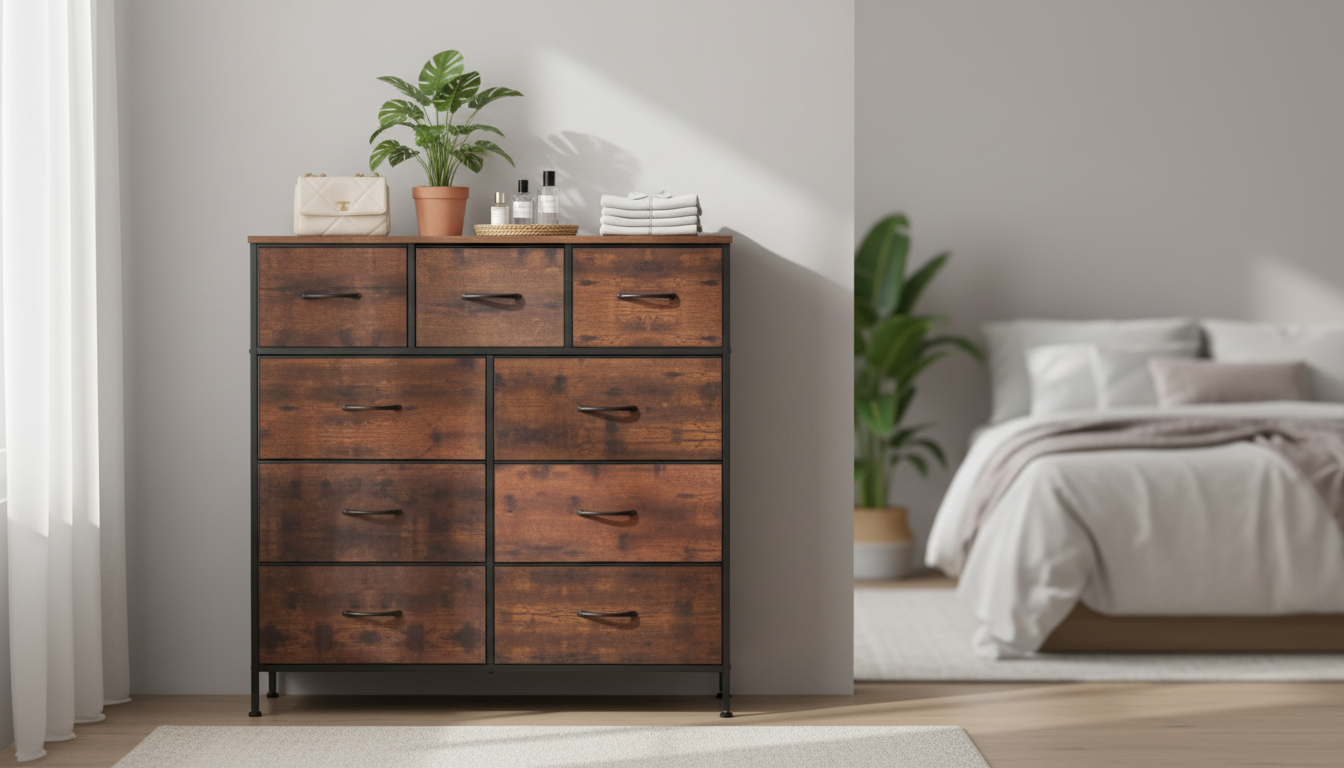
9-Drawer Fabric Dresser: Tall Chest Storage for Bedroom and Closet
A tall fabric dresser can add drawer space without the weight or cost of solid wood furniture. This 9-drawer chest is designed to fit bedrooms, closets, and small living spaces while keeping clothes, linens, accessories, and everyday items neatly separated and easy to reach.
Quick Look: What This 9-Drawer Dresser Offers
- Tall footprint helps save floor space while adding vertical storage.
- Nine fabric drawers support category-based organization (tops, socks, linens, accessories).
- Lightweight design makes it easier to move during rearranging or seasonal resets.
- Works as a closet helper, bedside storage, or a compact dresser alternative.
- A flat top surface can double as a catch-all for daily essentials.
If you’re working with a tight layout, vertical storage is often the easiest way to add capacity without making the room feel crowded. A tall chest also helps keep frequently used categories at a comfortable height, so you’re not constantly bending down to find basics.
Best Places to Use a Tall Fabric Chest
- Bedroom: replace or supplement a traditional dresser for folded clothing and sleepwear.
- Closet: add drawers under hanging clothes to store socks, underwear, belts, and tees.
- Nursery or kids’ room: separate outfits, diapers, wipes, and small toys into dedicated drawers.
- Entryway or hallway: store hats, gloves, scarves, and small grab-and-go items.
- Apartment living: a practical option for rooms where bulky furniture feels overwhelming.
In shared spaces, a 9-drawer setup can also be split by person—three drawers each, for example—so everyone knows where things go. That one change can cut down on “where did you put my…” moments and keep laundry days from turning into a sorting marathon.
How to Set Up a Simple Drawer System (So It Stays Organized)
- Assign drawer “zones” by frequency: daily items at mid-height, occasional items higher or lower.
- Use one drawer per category: socks, underwear, tees, workout wear, pajamas, accessories, linens.
- Add small bins inside drawers for tiny items (hair ties, jewelry, charging cables) to prevent clutter drift.
- Label drawers for the first two weeks; remove labels once habits stick.
- Do a 5-minute weekly reset: return items to the right drawer and fold anything that migrated.
Example 9-Drawer Sorting Plan
| Drawer | Suggested contents | Tip to maintain order |
|---|---|---|
| 1 | Socks | Pair and roll; keep a spare section for unmatched socks |
| 2 | Underwear | Use a divider to separate everyday vs. special-use items |
| 3 | T-shirts | Vertical fold for easy scanning |
| 4 | Workout wear | Keep sets together to reduce morning decisions |
| 5 | Pajamas | One drawer per season if possible |
| 6 | Accessories (belts, scarves) | Bundle scarves; coil belts |
| 7 | Bath towels / hand towels | Fold consistently to maximize capacity |
| 8 | Bedsheets / pillowcases | Store sets inside one pillowcase to keep them together |
| 9 | Misc. overflow | Revisit monthly so it doesn’t become a junk drawer |
What to Measure Before Buying
- Available footprint: confirm width and depth fit the intended spot without blocking doors or drawers nearby.
- Height clearance: ensure it fits under shelves, closet rods, or wall décor placements.
- Drawer access space: leave enough room in front for full drawer pull-out.
- Floor type: for carpeted rooms, check stability and keep heavier items in lower drawers.
- Storage goal: decide if the priority is everyday clothing, linens, or mixed household storage.
It also helps to think through “drawer behavior.” If drawers will be opened quickly during a morning routine, place the dresser where the pull-out path is clear—especially in closets where a door swing can limit access. For households with kids, stability matters; basic furniture tip-over awareness is highlighted by the U.S. Consumer Product Safety Commission (CPSC).
Care and Upkeep for Fabric Drawers
For general consumer product guidance and standards-related resources, the National Institute of Standards and Technology (NIST) is a helpful reference hub. Day to day, though, the biggest “care” factor is simply not forcing drawers past a comfortable fill level—easy open/close usually means the system will stay in use.
Is a Fabric Dresser the Right Fit Compared to Wood or Plastic?
Product Options (In Stock)
- 9-Drawer Fabric Dresser – Tall Chest Organizer for Bedroom & Closet Storage — a 9-drawer layout made for separating clothing and household categories while staying space-conscious.
- Mindful Moments: How Mindfulness Eases Stress and Boosts Your Daily Calm | Digital Guide for Stress Relief, Daily Calm, and Mindful Living — a simple way to pair your weekly reset routine with a calmer, more consistent home rhythm.
- Breathe, Mama, Breathe: Finding Calm in the Kid-Chaos | Parent Pause: Quick Relax in Chaos Handbook | Digital Download Guide for Moms — especially useful when you’re organizing a nursery or kids’ room and want short, realistic reset habits.
FAQ
How much weight can fabric dresser drawers hold?
A practical approach is to keep heavier items distributed across multiple drawers and place the heaviest categories in the bottom drawers for stability. Exact limits vary by frame and drawer construction, so avoid overstuffing and aim for smooth, easy drawer movement.
Will a tall fabric dresser work inside a closet?
Yes—measure the closet’s width, depth, and height, and make sure there’s enough clearance in front to pull drawers out fully. It works best in dry closets and is a smart way to add “built-in style” drawer storage beneath hanging clothes.
How can drawers be kept from turning into clutter?
Stick to one category per drawer, add small dividers for tiny items, and label drawers briefly until the habit becomes automatic. A quick weekly reset—just a few minutes—prevents drift and keeps each drawer easy to scan.












Leave a comment