2000 Lumen Bike Headlight: Remote, Anti-Glare, USB-C
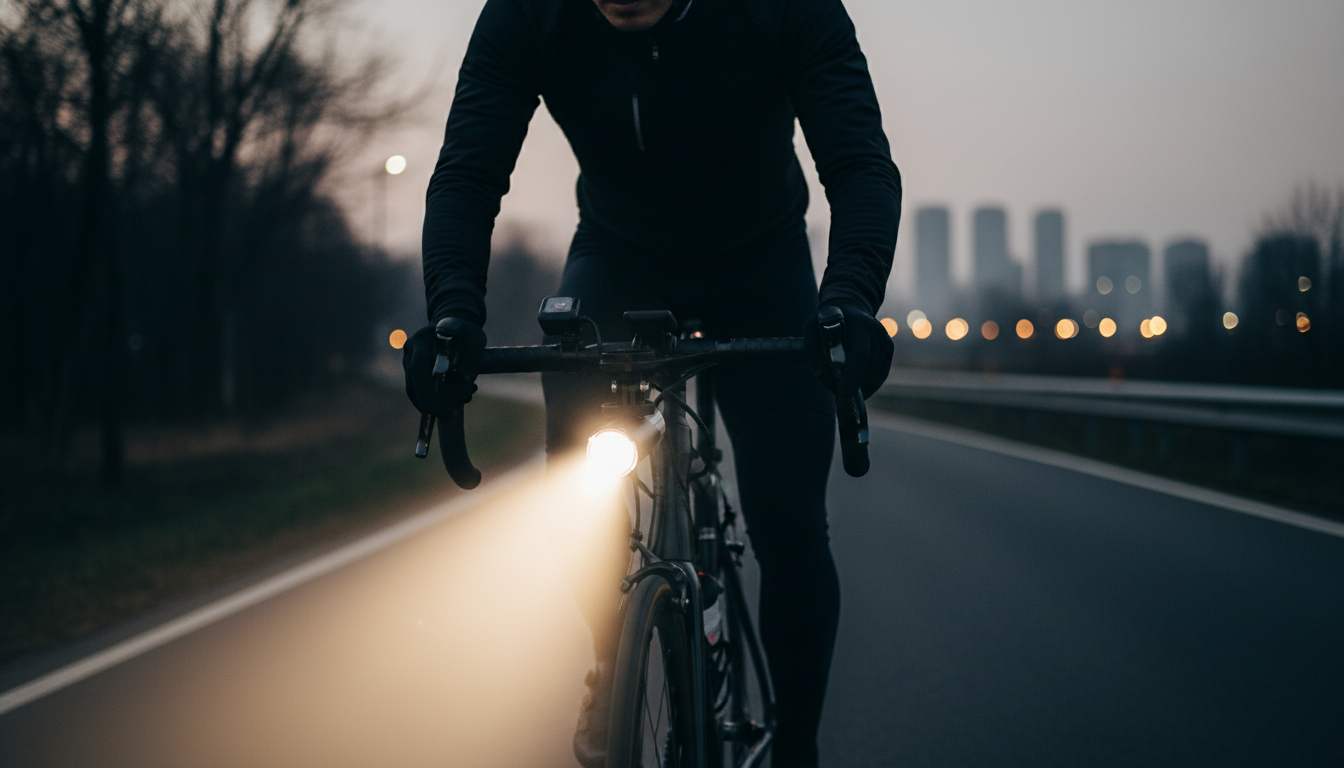
2000 Lumen Remote-Control Bike Headlight with Anti-Glare & Type-C Charging
A bright headlight improves how far the road ahead can be seen and how easily others can spot a rider. This 2000-lumen bike headlight pairs a handlebar remote for quick, safer mode changes with an anti-glare beam pattern designed to reduce dazzle for oncoming traffic, plus convenient USB Type‑C charging for daily commuting and longer night rides.
What This Headlight Is Built For
- Night commuting and early-morning rides where reliable visibility matters
- Mixed environments: city streets (with oncoming traffic) and darker paths
- Riders who want to change brightness without moving a hand off the grip, thanks to the remote
- Anyone prioritizing modern charging convenience with Type‑C
For riders balancing speed, traffic, and changing lighting conditions, the biggest advantage isn’t only raw brightness—it’s the ability to use that brightness responsibly. A controlled beam and quick access to modes helps keep the road visible without turning the light into a distraction for drivers, pedestrians, or other cyclists.
Key Features at a Glance
- 2000-lumen maximum output for strong forward illumination
- Remote control for quick switching between modes while riding
- Anti-glare beam design to help reduce discomfort for oncoming road users
- USB Type‑C charging for easier cable compatibility
- Designed for straightforward mounting on common handlebar setups
Quick Specs and Practical Takeaways
| Feature | What it means on the ride |
|---|---|
| 2000-lumen max brightness | More reach on unlit roads; use lower modes in traffic to reduce glare |
| Remote control switch | Change modes without reaching forward or taking eyes off the road as long |
| Anti-glare beam pattern | Helps keep light on the roadway rather than in other people’s eyes |
| USB Type‑C charging | Simpler charging with widely used cables and power banks |
| Multiple light modes | Adapt brightness for city streets, paths, rain/fog, or group rides |
Anti-Glare: Why Beam Shape Matters as Much as Brightness
On paper, “brighter” sounds like “safer,” but a very bright light can become counterproductive if it throws a hotspot straight into oncoming eyes. Anti-glare designs focus light downward and forward—where it helps you read the road surface—while limiting wasted light above the horizon line.
- A very bright light can be counterproductive if it shines straight into oncoming eyes; anti-glare designs focus light downward and forward
- In traffic, aim the light so the hottest part of the beam lands on the road surface ahead—not at windshield height
- Anti-glare is especially valuable on shared paths and urban streets where people approach head-on at close distances
- Combining moderate brightness with a controlled beam often feels clearer than raw brightness alone
For everyday road riding, good aiming is part of being a considerate rider. If a driver flashes headlights back, or pedestrians squint as they approach, that’s a sign the lamp is angled too high or set too bright for the environment.
Remote Control: Safer Mode Changes in Real Riding
One of the most practical upgrades on a commuter-focused headlight is a handlebar remote. It reduces the need to reach toward the light body (often mounted forward), which can compromise stability when the pavement is rough or when quick steering adjustments are needed.
- Switching modes from the handlebar improves control compared with reaching toward the light body
- Useful for quick transitions: turning onto a dark street, entering a lit area, or signaling attention with a flash mode (where legal/appropriate)
- Helps keep consistent grip and steadier steering on rough pavement
- Tip: place the remote where it can be activated with a thumb without shifting hand position
That “thumb-access” placement matters. If the remote is too far inboard, switching modes can become awkward; if it’s too close to the grip edge, it can interfere with shifting or braking. Set it up once, test while stationary, then fine-tune after the first ride.
Type‑C Charging and Everyday Power Habits
For broader safety guidance around being seen at night and riding around traffic, it’s also worth reviewing official resources like NHTSA’s bicyclist safety information and the CPSC bicycle requirements (16 CFR Part 1512).
Mounting and Setup Tips for Better Visibility (and Less Glare)
Choosing the Right Mode for Streets, Paths, and Group Rides
Mode Guide (General)
| Scenario | Suggested approach |
|---|---|
| Well-lit streets | Lower/medium steady mode; keep beam angled down |
| Dark roads or trails | Higher steady mode when alone; reduce with oncoming traffic |
| Fog/rain | Moderate output; avoid overly intense settings that reflect back |
| Stop-and-go intersections | Quick switches via remote as lighting conditions change |
Product Link
- 2000 Lumen Remote-Control Bike Headlight with Anti-Glare & Type-C Charging
- Mindful Moments: How Mindfulness Eases Stress and Boosts Your Daily Calm | Digital Guide for Stress Relief, Daily Calm, and Mindful Living
- Breathe, Mama, Breathe: Finding Calm in the Kid-Chaos | Parent Pause: Quick Relax in Chaos Handbook | Digital Download Guide for Moms
FAQ
Is 2000 lumens too bright for city riding?
2000 lumens is most useful on dark roads, but in city traffic it’s typically better to use a lower steady mode and angle the beam downward. Anti-glare helps, yet correct aiming and mode choice are what prevent dazzling oncoming road users.
How does the handlebar remote help during a ride?
The remote lets you switch modes without reaching forward, helping you keep a steady grip and better control—especially on rough pavement. It’s also convenient for sudden lighting changes, like turning onto an unlit street.
Can it be charged with a regular USB‑C phone charger?
Type‑C charging generally works with common USB power sources and many phone chargers. Use a quality cable/charger and keep the charging port clean and dry for more reliable charging.
















Leave a comment