2–3 Person Low EMF Infrared Sauna: Glass Door + App
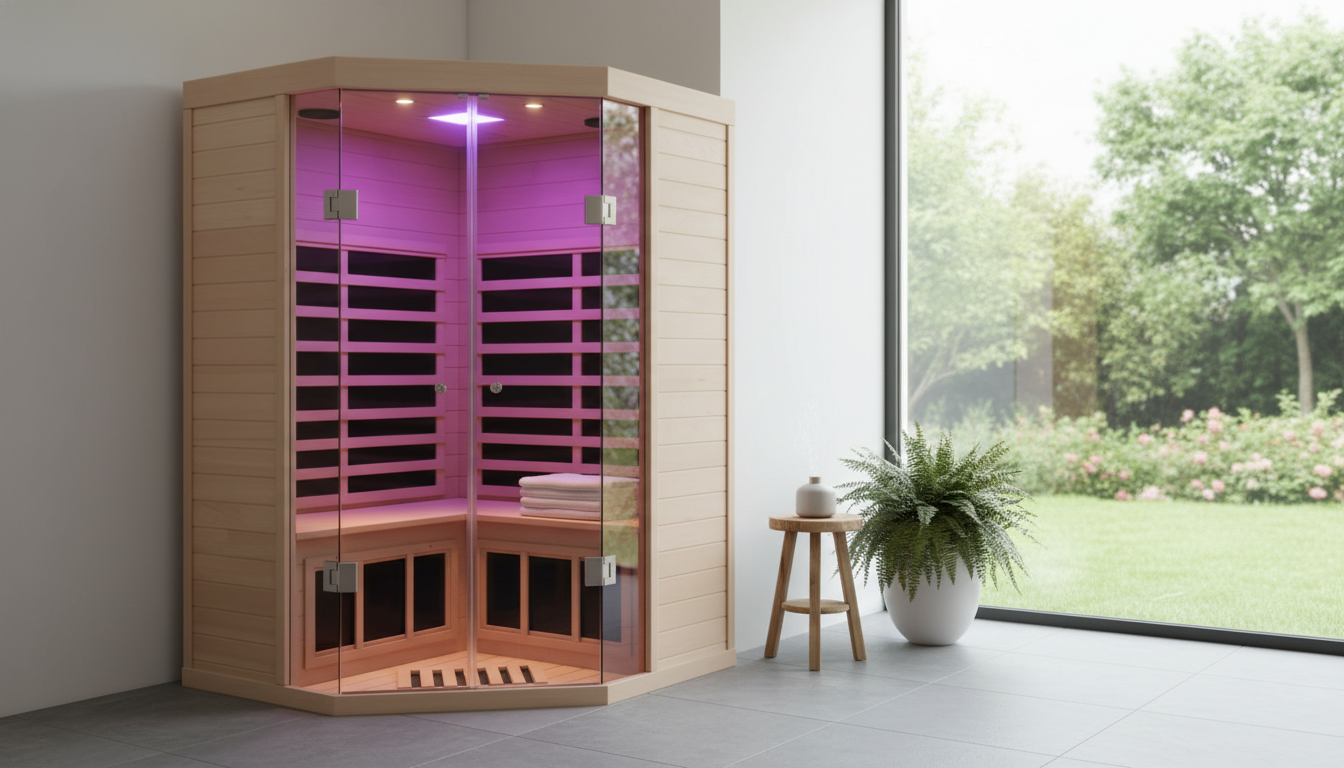
2–3 Person Low EMF Far Infrared Sauna with Tempered Glass and App Control
A modern home sauna can be both a relaxation space and a practical wellness tool—especially when it combines far infrared heat, low EMF design, a tempered glass door, and app-based control. The result is a cabin that feels comfortable for solo recovery sessions, couples routines, or occasional three-person use, without the high-heat intensity many people associate with traditional steam-style saunas.
What Makes This Sauna Different
- Room for 2–3 people: Enough space for one person to stretch and reposition, or for two adults to sit comfortably without feeling pressed together; three can fit depending on body size and spacing preferences.
- Far infrared heating: Designed for a gentler, “warming-from-within” feel at lower air temperatures than classic high-heat saunas.
- Low EMF focus: Built with design choices intended to reduce EMF exposure near heaters and wiring—an important consideration for many wellness shoppers.
- Tempered glass door: Adds light and openness, while offering stronger, safer break characteristics than standard glass.
- App control: Makes it easier to preheat and fine-tune temperature/timers for consistent routines without hovering over the control panel.
Far Infrared Heat: What It Feels Like and How to Use It
Far infrared sessions are often done at lower ambient temperatures, which can feel more breathable and less stifling while still producing a solid sweat. For many households, the biggest “upgrade” is consistency: a setting that feels good, used regularly, tends to be more sustainable than infrequent, overly intense sessions.
- Session comfort: Expect warmth that builds steadily rather than an immediate blast of hot air.
- Warm-up expectations: Preheat time depends on the room’s starting temperature, drafts, and how well the door seals.
- Routine ideas: Start with shorter sessions and add time gradually as your comfort improves.
- Hydration basics: Drink water before and after; sweating can be significant even at moderate temperatures.
- Cooldown: Give yourself a few minutes to cool down gradually before showering or going outside in cold weather.
Common Session Settings to Try (Adjust for Comfort)
| Goal | Suggested temperature range | Suggested time range | Notes |
|---|---|---|---|
| Relaxation after work | 110–130°F | 15–25 min | Comfort-first; focus on steady breathing |
| Deeper sweat session | 125–140°F | 20–35 min | Hydrate well; stop if lightheaded |
| Recovery and loosen-up | 105–125°F | 10–20 min | Pair with gentle stretching after |
Low EMF Considerations Without Overcomplicating It
“Low EMF” generally means the sauna is engineered to help limit electromagnetic field levels around the heating system compared with standard builds. The practical takeaway is simple: where you sit—and how close you are to panels and wiring—can influence what you’re exposed to, and good manufacturers will share measurement details.
- Where it matters most: EMF exposure tends to drop quickly with distance, so bench layout and heater placement can change your experience.
- What to verify: Look for published EMF readings and ask where they were taken (bench height, near panels, by the door).
- Practical habit: Sit comfortably without pressing directly against heating panels unless the manufacturer indicates that’s intended.
- Keep priorities straight: Low EMF is preference-driven; it doesn’t replace essentials like safe electrical protection, sturdy assembly, and sensible ventilation.
For general background on EMF, the FDA provides an overview of electromagnetic fields and common sources: FDA: Electromagnetic Fields (EMF).
Tempered Glass: Light, Visibility, and Everyday Durability
A tempered glass door can make a cabin feel more open—especially helpful for longer sessions or anyone who dislikes a closed-in atmosphere. Tempered glass is typically stronger than standard glass and is designed to break into smaller pieces rather than sharp shards if it fails.
- Maintenance: Use non-abrasive cleaners and soft cloths; avoid harsh chemicals that can cloud glass or damage nearby wood finishes.
- Privacy and placement: Consider where the door faces. A corner placement or a dedicated wellness nook can feel more comfortable.
- Heat retention: Door seals matter. Even small gaps can affect warm-up time and temperature stability.
App Control and Daily Convenience
Placement, Power, and Setup Checklist
Quick Setup Readiness Check
| Item to confirm | Why it matters | What to do before delivery |
|---|---|---|
| Dedicated outlet/circuit | Reduces risk of tripped breakers and overheating | Confirm electrician requirements and outlet placement |
| Doorway and hallway clearance | Avoids delivery/assembly surprises | Measure tight turns, stairs, and door widths |
| Room temperature and draft control | Improves warm-up consistency | Choose a space away from exterior drafts if possible |
Comfort and Safety Tips for Regular Use
For a balanced look at benefits and risks, see: Mayo Clinic: Sauna benefits and risks and Cleveland Clinic: Infrared sauna benefits and safety.
Who a 2–3 Person Cabin Fits Best
Product Details and What to Confirm Before Ordering
Shop Related Wellness Favorites
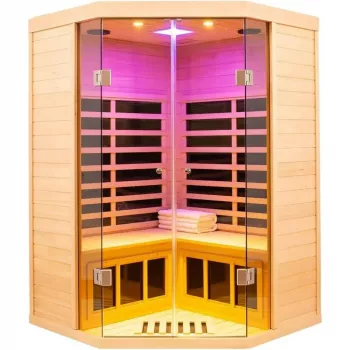
- 2-3 Person Low EMF FAR Infrared Sauna with Tempered Glass and App Control
- Mindful Moments: How Mindfulness Eases Stress and Boosts Your Daily Calm | Digital Guide for Stress Relief, Daily Calm, and Mindful Living
- Breathe, Mama, Breathe: Finding Calm in the Kid-Chaos | Parent Pause: Quick Relax in Chaos Handbook | Digital Download Guide for Moms
FAQ
How many people can comfortably use a 2–3 person infrared sauna?
Most households find it’s ideal for two adults with comfortable personal space. A third person can fit for shorter sessions or closer seating, depending on body size and how much room everyone prefers.
Does tempered glass change heat retention or safety?
Tempered glass is generally stronger than standard glass and is designed to break into smaller pieces if damaged. Heat retention depends more on door seals and overall build quality than the glass alone, so proper door closure matters.
What should be checked before using app control for preheating?
Confirm stable Wi‑Fi/phone connectivity where the sauna will be installed and learn the on-unit controls as a backup. Follow the manufacturer’s preheating guidance and keep vents/airflow clear for safe operation.













Leave a comment