Is a 100% Nylon Coat Waterproof? What Really Matters
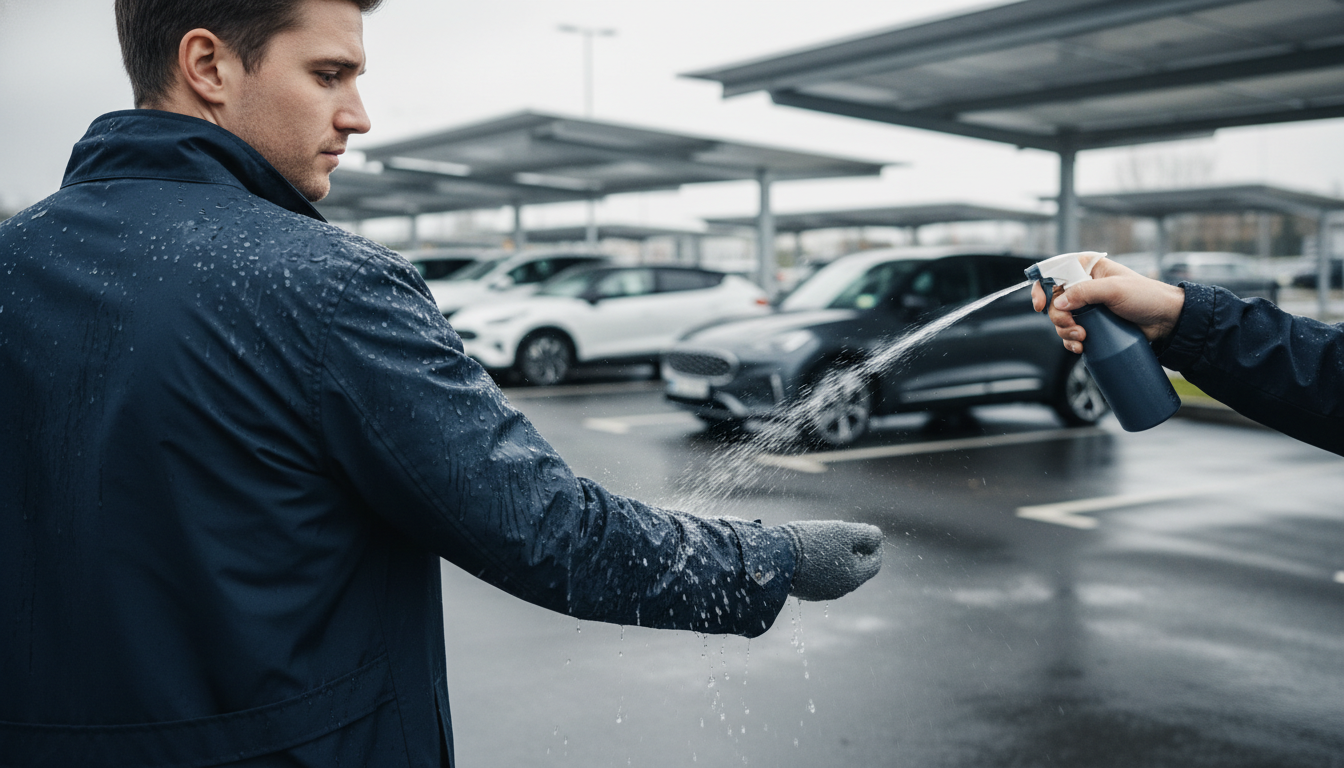
Is a 100% nylon coat waterproof?
A 100% nylon coat is usually not truly waterproof on its own. Nylon fibers don’t absorb much water, so the fabric can shed light rain and dry quickly, but “waterproof” requires more than the fiber content. To qualify as waterproof, a coat typically needs a waterproof membrane or coating (like PU or TPU), sealed seams, and a water-resistant zipper and closures to block leakage points.
What 100% nylon does well in wet weather
Nylon is a strong, tightly woven synthetic that naturally resists soaking compared to cotton. In many jackets, that means drizzle or short exposure may bead up and roll off—especially if the fabric is tightly woven and treated. Nylon also tends to be lightweight, packable, and fast-drying, which is why it’s common in rain shells and windbreakers.
Why “100% nylon” doesn’t automatically mean waterproof
Fabric labels tell you the face fabric, not the full weatherproofing system. Water can still push through stitching holes, seams, and zipper tracks. And without a dedicated waterproof barrier, steady rain can eventually wet out the surface, making the jacket feel clammy and heavy even if the fibers themselves don’t absorb much.
Water-resistant vs. waterproof
If a coat is described as water-resistant, it’s meant to handle light precipitation for a limited time. Waterproof outerwear is built for prolonged rain and typically includes testing ratings (often shown as a hydrostatic head number) plus construction details like taped seams.
How to tell if your nylon coat is actually waterproof
Check the product description for terms such as “waterproof membrane,” “taped seams,” “seam-sealed,” or a waterproof rating. Also look for a durable water repellent (DWR) finish; DWR helps water bead on the surface, but it can wear off and doesn’t make a coat fully waterproof by itself. For a deeper breakdown of nylon performance in rain and what to look for when shopping, see https://sculptori.com/is-a-nylon-coat-waterproof/.
FAQ
What’s the difference between a DWR finish and a waterproof membrane?
DWR is a surface treatment that helps water bead and roll off, while a waterproof membrane is a built-in barrier that blocks water from passing through the fabric. DWR can wear off over time; membranes are designed for sustained rain protection.














Leave a comment