French Retro Wood Chandelier: Size, Height, Bulbs
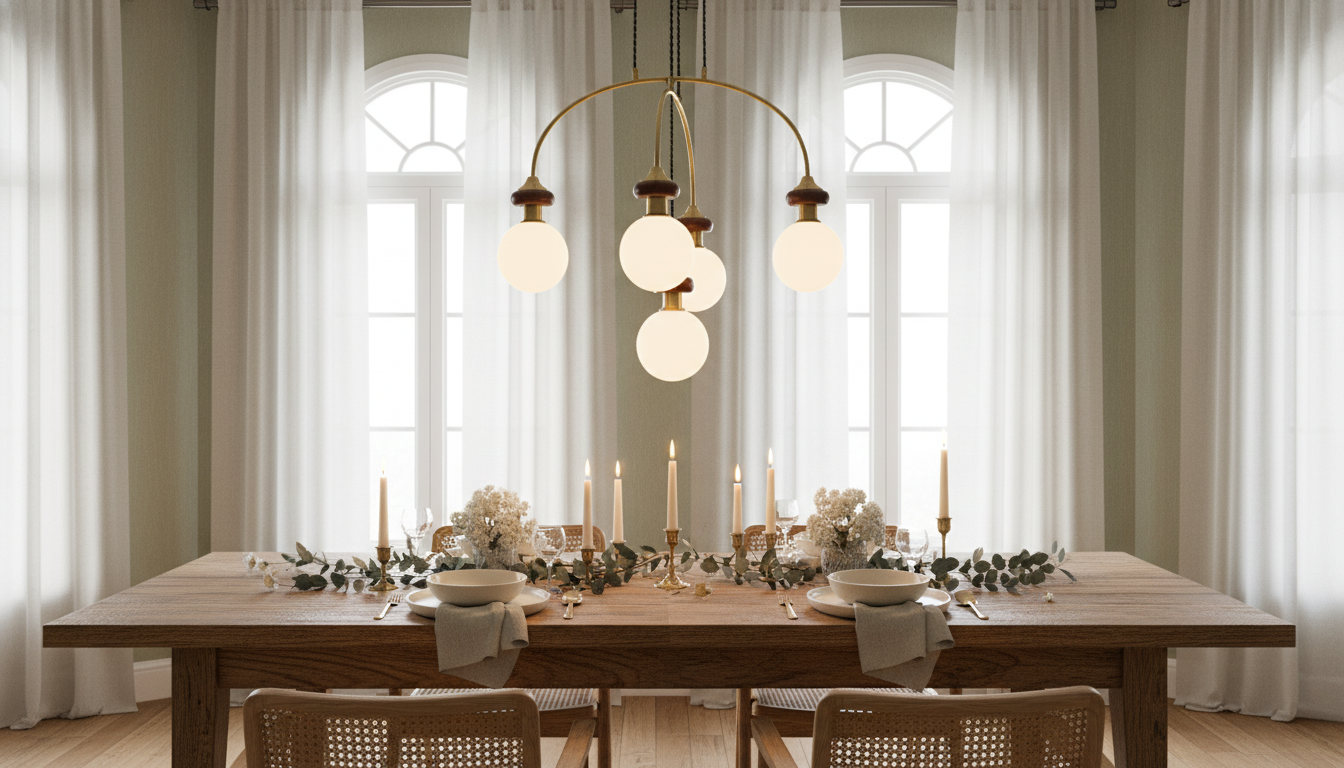
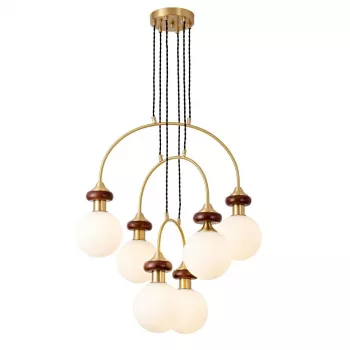
French Retro Solid Wood Chandelier Pendant Light for the Dining Table
A French retro chandelier with solid wood details can anchor a dining space with warmth, texture, and a softly classic silhouette. The right placement and bulb choice help it feel intentional—balanced over the table, flattering to faces, and flexible enough for weekday dinners and weekend hosting. Below are practical guidelines for where it works best, how to size and hang it, and how to keep the wood and hardware looking beautiful over time. For more guidance, see Best Ways To Decorate Your Dining Room Like French Bistro.
What Makes This Chandelier Feel French Retro
- Warm wood elements soften the look of metal hardware and create a more lived-in, vintage-inspired feel.
- A dining-focused pendant profile draws attention to the table without needing many other focal points.
- It pairs naturally with rustic, farmhouse, traditional, and modern-classic interiors when finishes are coordinated.
- As a statement piece, it can replace multiple smaller fixtures in a dining zone and simplify the ceiling plan.
Where It Works Best at Home
- Dining table centerpiece: Creates an intentional gathering zone and improves task lighting for meals.
- Kitchen breakfast nook: Adds character in smaller dining areas when ceiling height allows.
- Open-plan dining area: Helps visually separate dining from living spaces without walls.
- Entry or stair landing (if scale fits): Adds warmth and a classic note, especially with wood accents nearby.
Sizing and Hanging Height for a Balanced Look
Proportion is what makes a chandelier look “custom” rather than cramped or oversized. Start with the table dimensions, then confirm ceiling height and the fixture’s adjustability (chain/rod length and canopy size). For further reading, see Chandelier – Wikipedia.
- Keep the chandelier inside the table edges: A helpful visual target is a fixture width that reads comfortably smaller than the tabletop so it doesn’t feel like it’s competing with place settings.
- Protect sightlines: Plan clearance above the tabletop so people can see each other easily while seated.
- Add a dimmer for flexibility: Brighter output works for family meals and projects; dimmed light feels calmer for evening entertaining.
- Confirm adjustability: Make sure the chain/rod can achieve your desired drop, especially with taller ceilings or a raised tray ceiling.
Quick Placement Guide for Dining Table Pendants
| Dining table length | Suggested chandelier width (visual target) | Typical height above tabletop | Notes |
|---|---|---|---|
| 48–60 in (122–152 cm) | 18–24 in (46–61 cm) | 30–34 in (76–86 cm) | Good for 4–6 seat tables; keep fixture centered |
| 72 in (183 cm) | 24–30 in (61–76 cm) | 30–36 in (76–91 cm) | Consider slightly wider fixture or a longer drop for presence |
| 84–96 in (213–244 cm) | 30–36 in (76–91 cm) | 32–36 in (81–91 cm) | Large tables may need more visual weight; ensure scale suits the room |
Bulbs and Light Quality
Wood finishes look best under warm, flattering light. LEDs make it easy to get the glow of vintage bulbs without excessive heat or energy use.
- Choose warm-white for a cozy dining mood: Around 2700K–3000K complements wood tones and feels inviting.
- Match brightness to real life: If the dining table doubles as a homework or work surface, choose higher lumen output and rely on a dimmer at night.
- Verify base type and max wattage: Confirm the fixture’s bulb base (such as E26) and the maximum wattage listed before buying.
- Reduce glare with the right bulb finish: For exposed bulbs, frosted LEDs or filament-style LEDs can keep the retro look while softening harsh points of light.
For energy-saving guidance and bulb options, see ENERGY STAR Lighting (Bulbs and Fixtures).
Styling Pairings That Highlight Solid Wood Details
- Table and chairs: Match wood tones closely for a cohesive look, or contrast intentionally (light wood on the fixture with a darker table, or vice versa).
- Hardware coordination: Echo one metal finish (warm brass, matte black, antique bronze) across cabinet pulls, frames, or chair accents so the chandelier feels “related” to the room.
- Textiles: Linen runners, woven placemats, and natural fibers reinforce the warm, French-inspired feel without looking overly formal.
- Walls and art: Soft neutrals and classic prints let the chandelier read as the focal point without crowding the space.
Installation Notes and Safety Checks
For safety and compliance references, consult UL Solutions – Lighting Safety Certification and NFPA 70: National Electrical Code.
Care and Long-Term Maintenance
A Simple Buying Checklist Before Ordering
In-Stock Picks to Complete the Space
- French Retro Solid Wood Chandelier Dining Table Pendant Light
- Mindful Moments: How Mindfulness Eases Stress and Boosts Your Daily Calm | Digital Guide for Stress Relief, Daily Calm, and Mindful Living
- Breathe, Mama, Breathe: Finding Calm in the Kid-Chaos | Parent Pause: Quick Relax in Chaos Handbook | Digital Download Guide for Moms
FAQ
How high should a chandelier hang above a dining table?
A common target is about 30–36 inches above the tabletop, adjusted slightly based on fixture size and ceiling height. For taller ceilings, a slightly longer drop can help the chandelier feel visually connected to the table while keeping sightlines comfortable.
What bulb color works best with a wood chandelier in a dining room?
Warm-white LEDs around 2700K–3000K typically look best with wood, bringing out natural warmth and keeping the room inviting. Dimmable bulbs make it easy to shift from brighter meals to softer ambiance.
Can this type of chandelier be installed on a sloped ceiling?
It depends on the canopy and hanging system—many chain-hung designs work better on slopes than rigid rods. Confirm the fixture hardware supports angled mounting, or use an appropriate sloped-ceiling kit if required.











Leave a comment