Reusable Microfiber Mop Pads: Wet & Dry Cleaning (3 Pack)
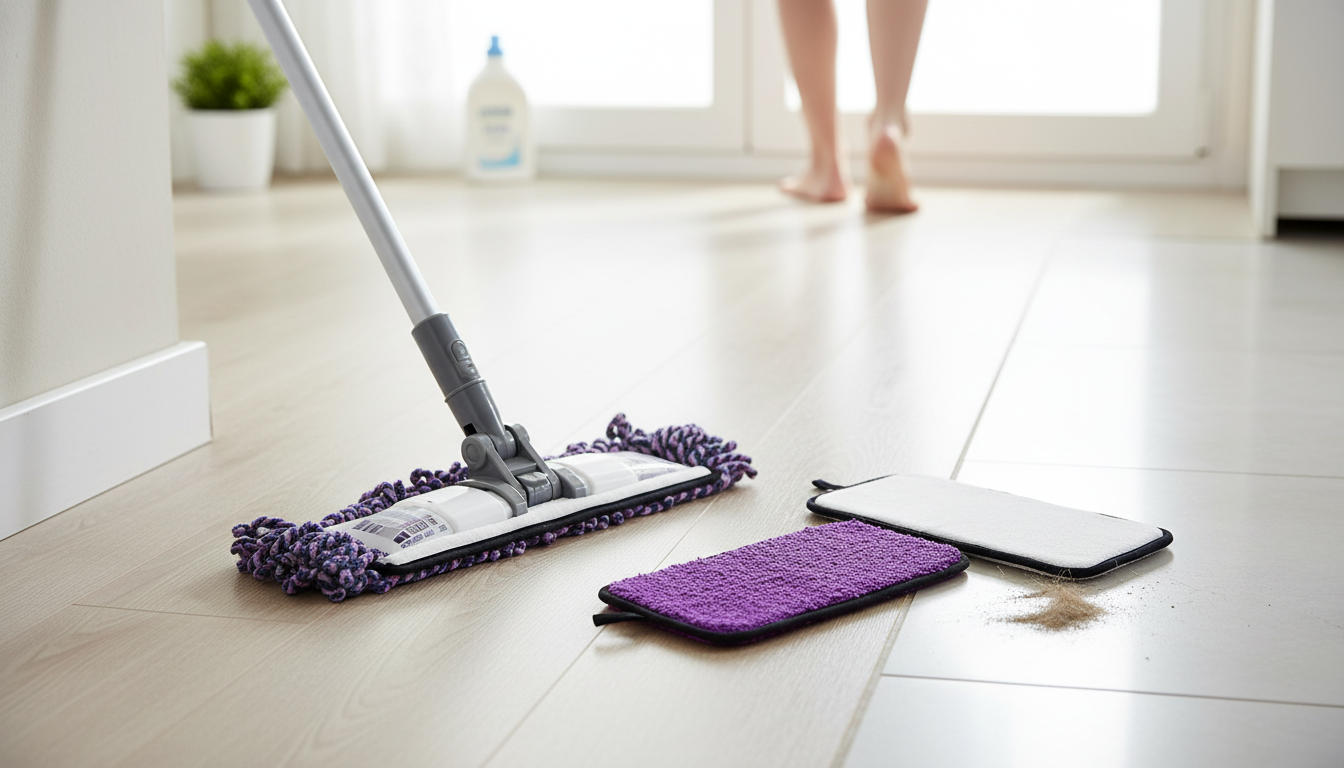
Reusable Microfiber Mop Pads for Wet & Dry Floor Cleaning (3 Pack): Everyday Cleanups Made Simple
A good floor routine needs two things: reliable pickup for dry debris and efficient wipe-downs for spills. Reusable microfiber mop pads are designed to handle both jobs while reducing waste from disposable sheets. This guide breaks down what these pads do especially well, how to use them across common floor types, and how to keep them performing after repeated washes.
What reusable microfiber mop pads do differently
Microfiber is engineered to clean beyond what many basic cloths can do. The fibers are split to increase surface area, which helps capture fine dust, hair, and lint during dry sweeping. That “grabby” feel is what makes microfiber so effective along baseboards, under toe-kicks, and in corners where lightweight debris tends to collect.
For wet cleaning, microfiber holds water and cleaning solution evenly, supporting smoother, streak-minimizing passes. Instead of flooding the floor, a damp pad creates consistent contact across the surface—useful for quick wipe-downs in kitchens, bathrooms, and entryways.
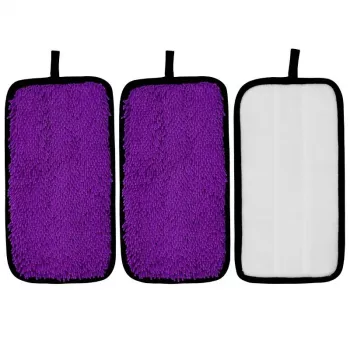
Because pads are reusable, it’s easy to wash and rotate them, keeping a fresh pad ready when one gets dirty mid-clean. A multi-pack also supports smart task separation—such as one pad for pet areas, one for the kitchen, and one for general use—so grime from high-traffic zones doesn’t get redistributed elsewhere.
Wet vs. dry cleaning: choosing the right approach for the mess
Dry mode is ideal for routine maintenance: dust, crumbs, sand, pet hair, and the everyday “tracked-in” stuff that builds up between deeper cleans. Wet mode is better for sticky residue, dried drips, muddy footprints, or high-traffic pathways that look dull even after sweeping.
For mixed messes, a simple two-step approach often works best: start with a dry pass to reduce grit, then follow with a lightly damp pad. This helps prevent pushing debris around (or creating micro-scratches on sensitive finishes) when moisture hits remaining grit.
On moisture-sensitive floors, begin with the least amount of water possible and increase gradually only when needed. If the floor looks wet behind the mop head, the pad is likely too saturated.
| Task | Best Mode | Tip |
|---|---|---|
| Daily dust and pet hair | Dry | Slow, overlapping passes improve pickup along baseboards. |
| Kitchen splatters and footprints | Lightly damp | Pre-treat sticky spots, then mop in sections. |
| Entryway grit and sand | Dry then damp | Dry first to protect floors from micro-scratching. |
| Bathroom splashes | Damp | Rinse pad after use and wash promptly to prevent odors. |
| Under-table crumbs | Dry | Short strokes pull debris out from chair legs and corners. |
Floor-by-floor tips (tile, laminate, hardwood, vinyl)
Tile and grout
A damp microfiber pad helps lift everyday haze and fine dust that can settle into grout lines. Use steady pressure and shorter strokes across grout to encourage the fibers to “reach” into texture. For sticky spots, let the damp pad sit on the area for a few seconds before wiping.
Laminate
Laminate generally prefers less water. Use a well-wrung pad—too much moisture can seep into seams and contribute to swelling over time. If you need more cleaning power, opt for multiple light passes rather than a soaking-wet pad.
Sealed hardwood
Vinyl and LVP
Always follow your flooring manufacturer’s care guidance, especially for specialty finishes or waxed surfaces. For general cleaning and disinfecting best practices in shared spaces, the CDC’s guidance is a helpful reference: CDC — Cleaning and Disinfecting Your Facility.
Getting better results with a simple routine
Small tweaks make microfiber perform noticeably better. After dry use, shake or brush off loose debris so the pad doesn’t re-deposit dirt on the next pass. For wet cleaning, avoid overly soapy mixtures that can leave a film; a lightly damp pad plus a mild cleaner (or plain water for quick refreshes) is often enough. If you want to reduce harsh ingredients, the EPA offers practical tips for greener routines: EPA — Safer Choice: Tips for Cleaning Greener.
Care, washing, and longevity
Air-dry or tumble dry low, and make sure pads are fully dry before storing to prevent mildew odors. Replace pads when fibers look flattened, pickup drops noticeably, or seams/fasteners begin to wear. If you’re curious about why microfiber can be so effective across surfaces, PubMed Central hosts a range of research on microfiber materials and cleaning performance: NIH PubMed Central.
Reusable Microfiber Mop Pads for Wet & Dry Floor Cleaning – 3 Pack: practical highlights
For a reusable option that supports both quick dry pickup and damp wipe-downs, see Reusable Microfiber Mop Pads for Wet & Dry Floor Cleaning – 3 Pack. Best results come from matching moisture level to your floor type and washing pads without softeners.
Optional add-ons for a cleaner-feeling bathroom
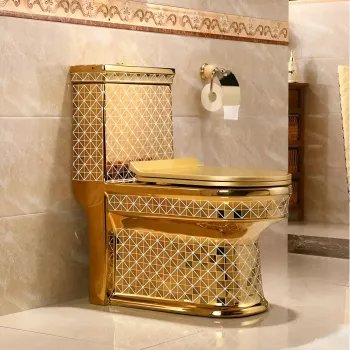
If your bathroom refresh includes upgrades beyond floors, a fixture change can make everyday maintenance feel simpler—especially when surfaces are easier to wipe down around the base and behind the bowl. For a bold style statement, consider the Luxurious Gold Artistic One-Piece Ceramic Toilet with Dual-Flush System.
FAQ
Can microfiber mop pads be used on hardwood floors?
Yes on sealed hardwood when used lightly damp and well-wrung. Avoid standing water, and follow the floor manufacturer’s care instructions for the safest routine.
How often should reusable mop pads be washed?
Wash after wet cleaning sessions or whenever the pad looks visibly soiled. For dry dusting, wash once pickup drops or after several uses, depending on how much debris your floors collect.
Should fabric softener be used on microfiber pads?
No. Fabric softener can coat microfiber and reduce absorbency and dust pickup, so mild detergent is the better choice.














Leave a comment