9L Metal Automatic Sensor Trash Can for Bathroom
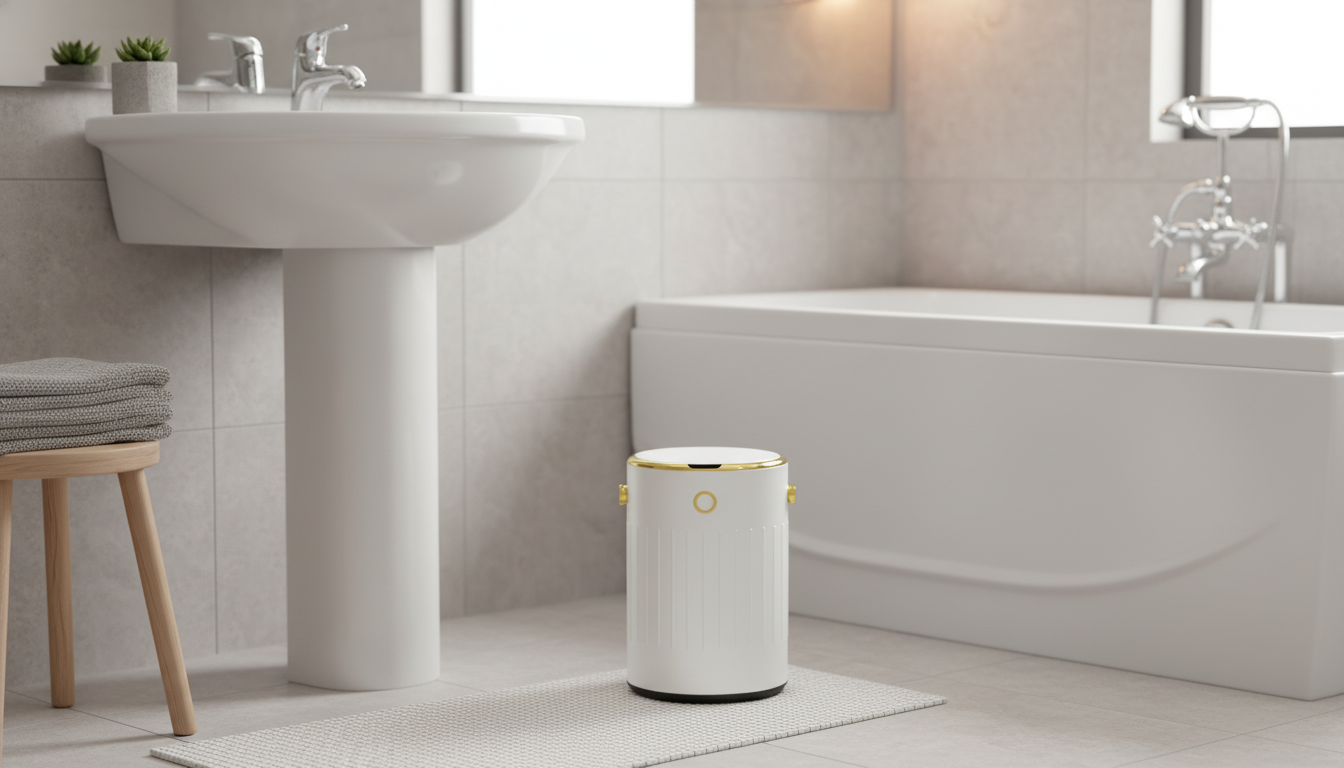
Automatic Sensor Smart Trash Can with Lid – 9L Metal Garbage Bin for Cleaner, Touch-Free Spaces
A touch-free trash can can make everyday cleanup feel simpler—especially in bathrooms, offices, and vanity areas where hands are often full. This 9L metal bin uses an automatic sensor lid to help reduce contact, contain odors, and keep the area looking tidy with a compact footprint.
What Makes a Touch-Free Trash Can Different
The biggest change with a sensor trash can is how you interact with it: instead of lifting a lid by hand, the lid opens when it detects motion. That small upgrade can make a noticeable difference in rooms where hygiene and appearance matter.
- Automatic lid operation helps reduce contact with the bin during daily use.
- A closing lid can help limit odor spread compared with always-open bins.
- Cleaner look for small rooms: fewer smudges and less visible waste.
- Useful for hygiene-focused spaces like bathrooms, nurseries, and home offices.
For general cleaning guidance in shared or high-touch spaces, the CDC’s recommendations on cleaning and disinfecting can help shape a simple routine that fits your household.
Key Features of the 9L Metal Sensor Bin
A 9-liter size is purpose-built for the “little but frequent” waste that piles up in smaller rooms. The metal body adds a polished look, and the lid helps keep contents out of sight so the space feels more put-together between cleanups.
- 9L capacity suited to light-to-moderate daily waste (tissues, packaging, wipes, cotton pads).
- Metal exterior supports a sleek, modern look and is typically easier to wipe down than textured plastic.
- Lid design helps keep contents out of sight and supports a neater countertop or floor area.
- Sensor opening can be convenient when hands are wet, messy, or carrying items.
Size, Capacity, and Best Rooms for a 9L Bin
Choosing capacity is mostly about where the bin will live and what goes into it. A 9L sensor bin is a strong fit for bathrooms and vanities, and it also works well as a dedicated “secondary” bin in an office or laundry area.
- Bathrooms and powder rooms: frequent small waste with a preference for closed lids.
- Bedroom or vanity area: keeps personal-care waste contained and discreet.
- Home office: ideal for paper scraps and small packaging without taking floor space.
- Kitchen use: possible for small households or as a secondary bin, but higher-volume cooking waste may require a larger capacity.
Where a 9L Sensor Trash Can Fits Best
| Room | Typical waste | Why the sensor lid helps | Emptying frequency (typical) |
|---|---|---|---|
| Bathroom | Tissues, wipes, cotton rounds | Hands-free after washing; closed lid for odors | Every 2–5 days |
| Vanity/Bedroom | Personal-care packaging | Reduces smudges; keeps contents discreet | Every 3–7 days |
| Home Office | Paper scraps, small wrappers | Quick drop-in without touching the lid | Weekly |
| Laundry Room | Lint, dryer sheet packaging | Convenient when carrying baskets | Weekly |
Metal Body Benefits and Finish Care
Metal trash cans tend to look more “built-in” with modern fixtures and hardware, and they usually wipe clean quickly after daily splashes or fingerprints. A little care keeps the finish looking sharp over time.
- Metal bins often suit modern, minimalist interiors and pair well with chrome or matte fixtures.
- Wipe the exterior with a soft cloth; use mild soap and water for residue, then dry to help prevent streaking.
- Avoid abrasive pads and harsh cleaners that can dull finishes or leave micro-scratches.
- Place on a flat surface; if used on tile, consider a small mat to reduce sliding and protect floors.
If you’re choosing cleaning products, the EPA’s Safer Choice program is a useful reference for ingredients and product standards aimed at reducing harsh chemical exposure.
Using the Sensor Lid Smoothly
Sensor lids work best when they have a clear “view” and aren’t constantly being triggered by movement nearby. Small placement tweaks can reduce accidental openings and help the mechanism cycle more consistently.
Liners, Odor Control, and Everyday Maintenance
Quick Comparison: Sensor Bin vs. Step Bin vs. Open Bin
Trash Can Styles at a Glance
| Type | Best for | Trade-offs |
|---|---|---|
| Automatic sensor lid | Touch-free use in bathrooms/offices; cleanliness-focused spaces | Requires power and good placement to avoid false triggers |
| Step pedal lid | Reliable daily use; kitchens and higher-traffic rooms | Contact at the pedal; can show scuffs over time |
| Open top | Fast disposal; low cost | Odors and waste remain visible; easier to overfill |
Who This 9L Sensor Metal Bin Suits Best
Product Details and Where to Buy
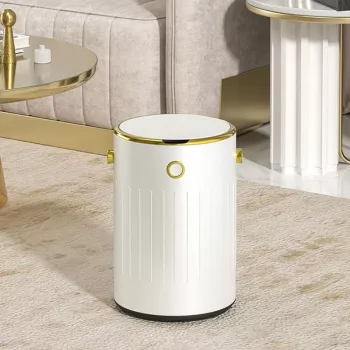
If a touch-free lid and compact size match your space, the Automatic Sensor Smart Trash Can with Lid – 9L Metal Garbage Bin is available while in stock. It works well as a primary bin for bathrooms and vanities, or as a secondary bin where you want quick, hands-free toss-in convenience.
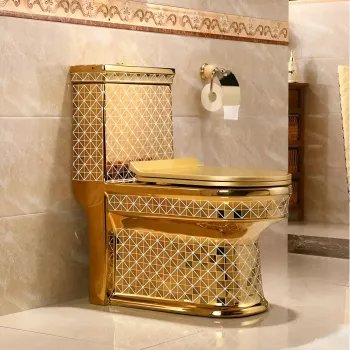
- Luxurious Gold Artistic One-Piece Ceramic Toilet with Dual-Flush System
- Mindful Moments: How Mindfulness Eases Stress and Boosts Your Daily Calm | Digital Guide
- Breathe, Mama, Breathe: Finding Calm in the Kid-Chaos | Digital Download Guide
FAQ
Is a 9L trash can big enough for a bathroom?
For most bathrooms, 9L is plenty for tissues, wipes, cotton rounds, and small packaging, typically needing to be emptied every few days. A larger bin may be a better fit for shared bathrooms with heavy daily traffic or frequent disposable cleaning wipes.
Do sensor trash cans open by accident?
They can if placed in a high-traffic pass-by zone, near reflective surfaces, or where towels and cabinet doors move in front of the sensor. Repositioning the bin, keeping the sensor window clear, and avoiding tight corners usually reduces false triggers.
How should a metal trash can be cleaned without damaging the finish?
Use a soft cloth with mild soap and water, then dry the surface to prevent streaking. Avoid abrasive scrubbers and harsh chemicals that can dull the finish or leave fine scratches.













Leave a comment