Grounding (Earthing) Routines for Calm in 5–15 Minutes
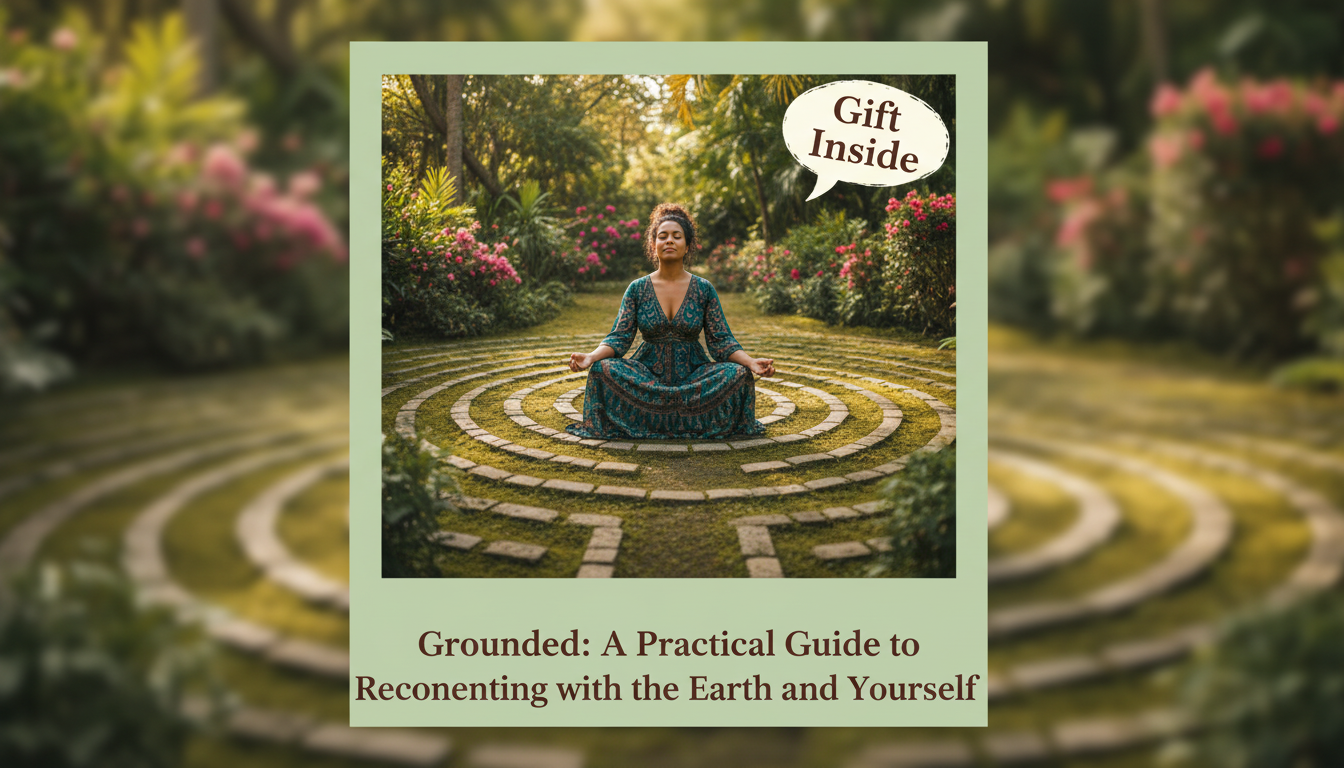
Grounded: A Practical Guide to Reconnecting with the Earth and Yourself
Screens, shoes, and indoor routines can leave the body feeling wired and the mind scattered. Grounding (also called earthing) is a set of simple habits—like standing barefoot on natural surfaces and pairing that time with mindful attention—used by many people to feel calmer, steadier, and more present. The goal isn’t “perfect peace.” It’s giving your nervous system a reliable off-ramp from stress, overstimulation, and mental looping—without needing a major lifestyle reset.
Below are practical ways to start, stay consistent, and keep grounding safe and comfortable, whether you’re stepping onto grass for five minutes or doing a quick breath reset at your desk.
What grounding (earthing) means in daily life
Grounding is the practice of connecting with the natural world in ways that help the nervous system settle and attention return to the present moment. People tend to approach it through two common lenses:
- Physical lens: direct contact with natural surfaces such as grass, sand, or soil (often barefoot).
- Mindfulness lens: sensory awareness, breath, and body scanning—often outdoors, but also possible indoors.
A practical definition: grounding is a short, repeatable routine that shifts the body from “revved up” to “regulated,” especially during stress, overstimulation, or rumination. It can be done in minutes; consistency matters more than intensity.
Why it can feel calming: stress, attention, and the body
Grounding often works because it combines two things many people don’t get enough of: nature exposure and a deliberate return to the body. Nature time has been linked with improved mood and reduced perceived stress in many studies, and pairing it with mindful attention can make the effect feel stronger and more noticeable. Mindfulness practices are also widely discussed as tools that may help ease anxiety and mental stress (see Harvard Health Publishing).
Many grounding routines naturally encourage slow breathing, relaxed posture, and sensory focus, which can support parasympathetic activation (the “rest and digest” side of the nervous system). When stress is high, the body can get stuck in a vigilant mode—tight jaw, shallow breath, tense shoulders—so even a small shift in breath rhythm and attention can reduce stress arousal over time. For more background on how stress affects the body, the American Psychological Association offers a helpful overview.
Progress usually shows up as quicker emotional recovery, improved sleep onset, and fewer “spikes” of irritability—rather than constant calm.
Quick-start grounding routines (5–15 minutes)
1) Barefoot reset
Stand or walk slowly on grass, sand, or soil. Soften the knees, relax the jaw, and take 10 slow breaths while noticing sensation in the soles of your feet (pressure, temperature, texture).
2) Seated sensory scan
Sit outdoors (or by an open window). Identify 5 things you can see, 4 you can feel, 3 you can hear, 2 you can smell, and 1 you can taste. Repeat once.
3) Breath + horizon
Look toward a distant point (horizon, treeline, skyline). Inhale for 4 counts, exhale for 6 counts for 3–5 minutes. Keep shoulders loose and eyes soft.
4) Hand-to-heart check-in
Place one hand on your chest and one on your belly. Ask: “What’s happening in my body right now?” Name sensations without judgment for 60–90 seconds (tight, warm, fluttery, heavy).
5) Micro-grounding for workdays
Before meetings, calls, or transitions: press your feet into the floor for 10 seconds, then do 3 long exhales. Repeat once.
Grounding practices by setting and goal
| Setting | Practice | Time | Best for | Tip to make it stick |
|---|---|---|---|---|
| Backyard/park | Barefoot standing or slow walking | 5–10 min | Physical relaxation, mood reset | Pair with a daily cue (after coffee, after lunch) |
| Sidewalk/indoors | Feet-to-floor + long exhale breathing | 1–3 min | Fast stress downshift | Do it before opening email or social apps |
| Near water (beach/lake) | Sound-based grounding (listen, label sounds) | 5–15 min | Overthinking, mental fatigue | Leave phone in bag; set a simple timer |
| Evening routine | Body scan + gentle stretching | 8–12 min | Sleep transition | Dim lights; keep movements slow |
Building a simple daily practice (without overhauling life)
If stress feels constant or overwhelming, it can also help to learn more about common stress patterns and supports; the National Institute of Mental Health has a straightforward primer.
Safety, comfort, and common misconceptions
Using the “Grounded” digital guide to stay consistent
If you prefer structure, Grounded: A Practical Guide to Reconnecting with the Earth and Yourself (digital guide) can function like a simple path: start with the easiest routine, then add variety only after the habit feels stable. A practical way to use it is a 7-day experiment: same time each day, same practice, and brief notes on mood and sleep to spot patterns.
For outdoor comfort, simple gear choices can reduce friction—especially when “getting outside” is the hardest part. If you want easy on/off footwear for stepping out quickly, consider Nike Women’s Beige Spring/Summer Slip-On Sneakers with Laces or Nike Men’s Yellow Cap with Print for sun protection during midday grounding breaks.
FAQ
How long should grounding take to feel a difference?
Many people notice a mild shift in 1–3 minutes (especially with long exhales), while 5–15 minutes tends to feel more settling. Consistency matters more than intensity, so try the same simple routine for seven days and track one signal like stress (0–10) or sleep onset.
Is grounding the same as mindfulness?
They overlap because both emphasize present-moment attention, but grounding often adds a nature and/or physical-contact focus (like feet on grass). Mindfulness can be done anywhere, while earthing-style grounding typically emphasizes direct connection with natural environments.
What if going barefoot outside isn’t possible?
You can still ground effectively with feet-to-floor breathing, a sensory scan near a window, a body scan, or gentle stretching. Choose what feels safe and comfortable, and aim for a repeatable reset you can do even on busy days.
















Leave a comment