Is Korean BBQ Healthy? Best Picks and What to Limit
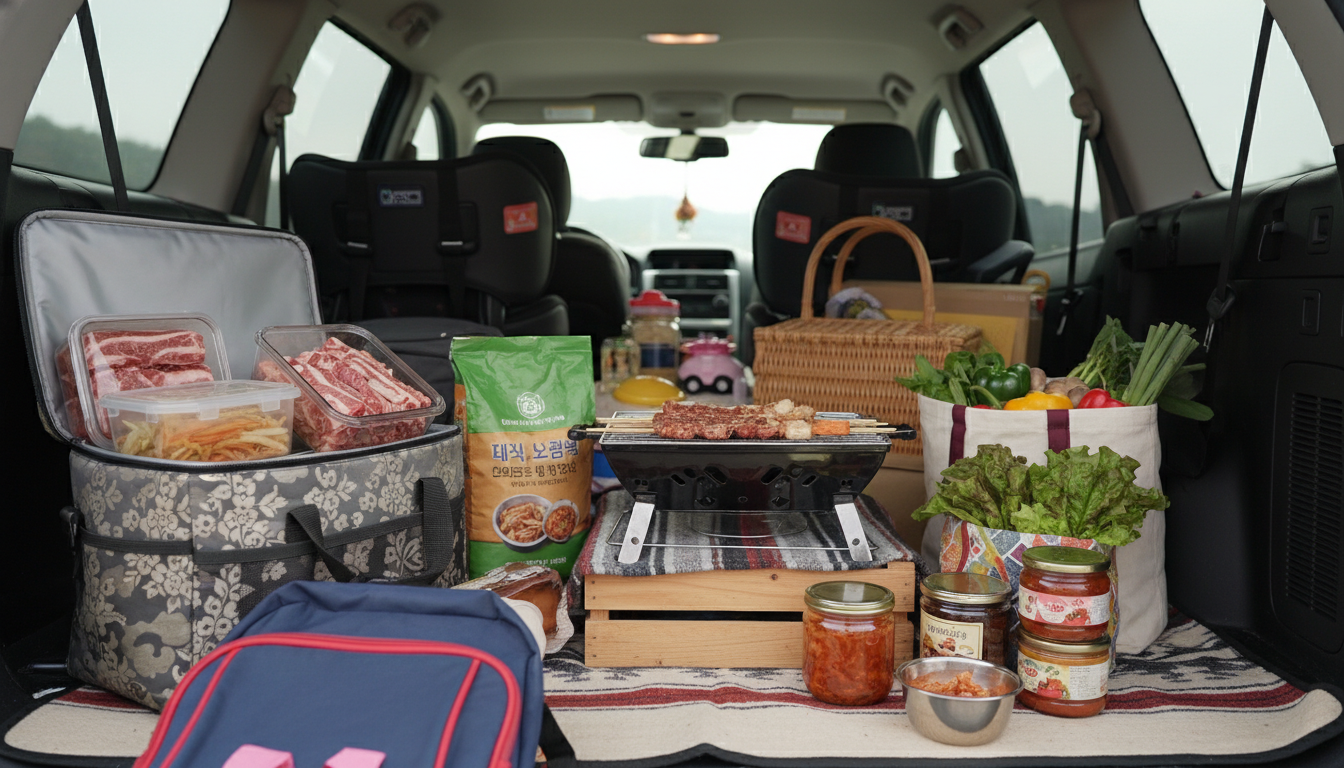
Are Korean barbecues healthy?
Korean barbecue can be healthy, but it depends on what you order, how it’s cooked, and how you balance the meal. A typical spread includes grilled meats plus lots of vegetables, fermented sides, and lettuce wraps, which can make it easier to build a nutrient-dense plate. The biggest health pitfalls usually come from heavily marinated meats, fatty cuts, oversized portions, and salty sauces.
What makes Korean BBQ a healthier choice?
One advantage is control: meats are grilled and you can decide how much sauce, rice, and sides to add. Many meals include banchan (side dishes) such as kimchi, seasoned vegetables, and sprouts, which add fiber and micronutrients. Wrapping meat in lettuce or perilla leaves with sliced garlic and veggies can also reduce refined carbs while boosting volume and satiety.
What can make it less healthy?
Some popular options are high in saturated fat (like pork belly) and can add up quickly when shared family-style. Sweet marinades (bulgogi-style) may increase added sugar, and dipping sauces can push sodium higher. If the meal is mostly meat with little produce—and paired with sugary drinks or multiple rounds of alcohol—it becomes easier to overshoot calories.
How to order a healthier Korean BBQ meal
Choose leaner proteins such as chicken, shrimp, or lean beef cuts, and balance richer items with plenty of vegetables and wraps. Go lighter on sugary marinades and use sauces sparingly. Aim for a plate that’s half vegetables (banchan, salads, grilled mushrooms, onions, peppers), with moderate portions of meat and a smaller serving of rice or noodles if you want carbs.
For a deeper breakdown of nutrition tradeoffs, ingredient choices, and practical ordering tips, visit Are Korean barbecues healthy?.
FAQ
What are the best meats to choose at Korean BBQ if you’re watching calories?
Pick leaner options like chicken breast or thigh, shrimp, and lean beef cuts, and keep high-fat choices like pork belly as a smaller portion. Grilling without heavy sauce and adding lots of vegetables helps keep the meal lighter.
















Leave a comment